India's Sports Push Ends in Self-Goal: A Critical Analysis of Policy Failures
In a surprising turn of events, India's highly touted sports development initiatives have culminated in what many are calling a self-inflicted setback. Despite significant investments and ambitious government schemes aimed at propelling the nation to the forefront of global athletics, recent analyses reveal a pattern of policy missteps and implementation failures that have hindered progress rather than accelerated it.
Ambitious Goals Meet Harsh Realities
The government launched several high-profile programs with the goal of nurturing talent, building world-class infrastructure, and enhancing India's performance in international competitions such as the Olympics and Asian Games. However, these efforts have often been marred by bureaucratic delays, inadequate funding allocations, and a lack of cohesive strategy. For instance, projects intended to construct state-of-the-art sports facilities have faced prolonged delays, leaving athletes without the necessary training environments.
Key Areas of Concern
Several critical issues have emerged, pointing to systemic problems within India's sports ecosystem:

- Infrastructure Deficiencies: Many promised sports complexes and training centers remain incomplete or underutilized, failing to provide athletes with the resources needed for elite performance.
- Talent Development Gaps: Grassroots programs have struggled to identify and nurture young talent effectively, leading to a shortage of world-class athletes in non-traditional sports.
- Funding Mismanagement: Allocated funds have not always reached their intended targets, with reports of misallocation and inefficiencies in financial management.
- Lack of Long-Term Planning: Initiatives have often been reactive rather than strategic, lacking sustained focus and continuity across political cycles.
The Impact on Athletic Performance
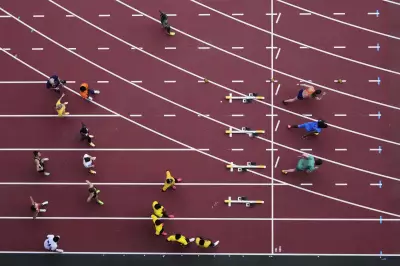
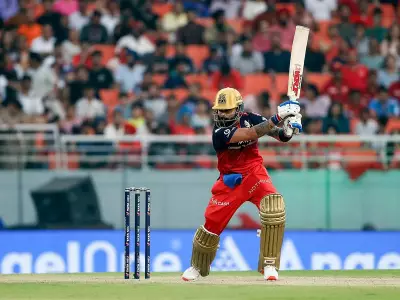
These policy failures have had a direct impact on India's athletic achievements. While there have been notable successes in sports like cricket and badminton, overall performance in multi-sport events has not seen the expected surge. Athletes frequently cite inadequate support systems, poor training facilities, and inconsistent coaching as major hurdles. This has resulted in missed opportunities on the global stage, undermining the nation's aspirations to become a sports powerhouse.
Moving Forward: Lessons Learned
To avoid future self-goals, experts recommend a comprehensive overhaul of India's sports policy framework. Key recommendations include:
- Enhancing transparency and accountability in fund utilization to ensure resources are directed effectively.
- Developing a long-term, bipartisan sports strategy that transcends political changes and focuses on sustainable growth.
- Strengthening grassroots programs through partnerships with schools, colleges, and local communities to build a robust talent pipeline.
- Investing in sports science and technology to provide athletes with cutting-edge training and recovery methods.
In conclusion, while India's intent to boost its sports profile is commendable, the execution has fallen short, leading to a scenario where the push has ended in a self-goal. Addressing these challenges with urgency and strategic foresight is crucial for turning aspirations into achievements and ensuring that future initiatives yield the desired results on the international sports arena.