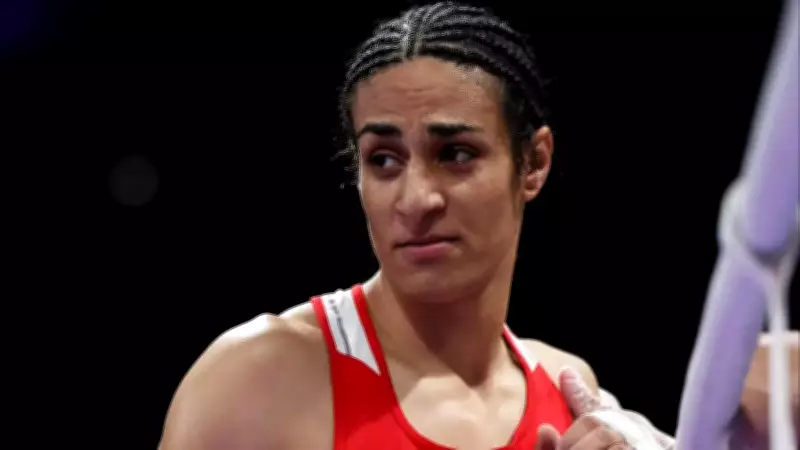
Algerian Boxing Champion Imane Khelif Confronts Political Targeting After Historic Olympic Victory
Imane Khelif is no stranger to overcoming obstacles in the boxing ring, but the Algerian athlete found herself unprepared for the political storm that followed her triumphant gold medal win at the 2024 Paris Olympic Games. Since her historic achievement, Khelif has endured a relentless campaign of harassment and intense scrutiny, fueled by some of the world's most powerful political figures.
Donald Trump's Persistent Misgendering Campaign
Among those targeting Khelif is former US President Donald Trump, who has repeatedly invoked her Olympic victory to justify restrictive policies against certain athletes. Trump first referenced Khelif when signing the executive order "Keeping Men Out of Women's Sports" early in his administration, and nearly a year later, he continues his smear campaign. In a January speech to Republican lawmakers, Trump once again mistakenly referred to Khelif as a "male boxer," seemingly reinforcing his support for expected Supreme Court rulings that would uphold state-level bans on transgender athletes in women's sports.
Khelif's Plea for Privacy and Clarification of Identity
Throughout this controversy, Khelif has maintained relative silence to protect her peace, but she recently delivered a clear message to politicians using her name: "Leave me out of it." In a recent CNN interview conducted in Paris, the 26-year-old champion stated unequivocally: "I'm not transgender. I'm a woman. I want to live my life... Please do not exploit me in your political agendas."

In the Paris gym where she trains, Khelif is simply recognized as an Olympic champion whose journey from humble Algerian roots has been defined by courage in defying cultural expectations that girls shouldn't fight. She emphasized having nothing to hide and expressed willingness to undergo genetic testing requirements, but only if conducted by the International Olympic Committee (IOC). "Of course, I would accept doing anything I'm required to do to participate in competitions," she said, while underscoring her respect for the IOC's authority.
World Boxing's Controversial Rules and Apology
The political targeting intensified when World Boxing announced new rules in May specifically naming Khelif, stating she couldn't participate in female category tournaments until undergoing so-called sex testing. This followed inaccurate online reports claiming Khelif had XY chromosomes, which she told CNN were "modified" and false. "When they published my name, they caused another crisis for me," Khelif said. "They caused more discourse and another campaign against me."
The controversy forced Khelif to withdraw from the World Championships, and she hasn't competed since. Although World Boxing later apologized for naming her specifically, Khelif believes the damage was already done. "I will not surrender until I have justice because I know justice is on my side above all else," she declared.
Seeking Legal Recourse and Broader Implications
Khelif has since taken her case to the Court of Arbitration for Sport, an independent organization that resolves legal disputes in athletics. Her experience highlights the complex intersection of sports, gender identity, and political agendas. As she noted in her CNN interview: "They should protect women, but they need to pay attention that while protecting women, they shouldn't hurt other women."
The Algerian boxer's ordeal represents a troubling trend where athletes become political pawns in broader cultural wars, with their identities and achievements weaponized for ideological purposes. Khelif's determination to clear her name while maintaining her dignity serves as a powerful testament to her resilience both inside and outside the boxing ring.