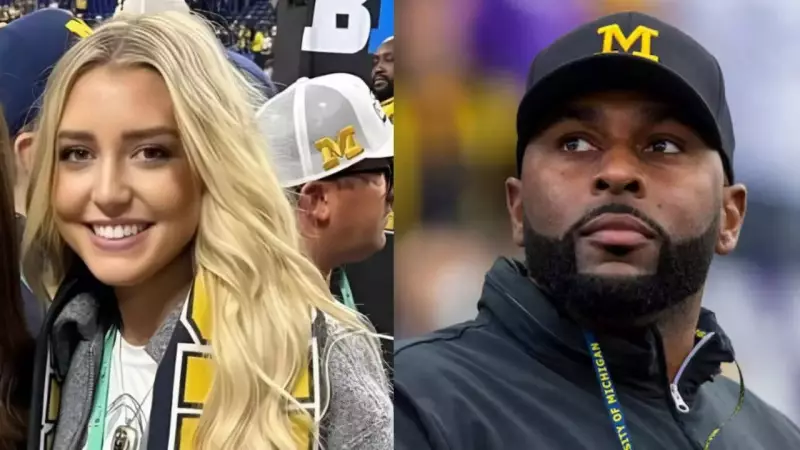
The world of college football has been rocked by one of its most dramatic off-field scandals in recent memory. At the University of Michigan, what started as a concealed workplace relationship has exploded into a saga involving termination, criminal charges, and the stunning implosion of a multimillion-dollar coaching career for Sherrone Moore. The fallout has laid bare uncomfortable truths about power, institutional priorities, and the uneven application of rules.
The Uneven Fallout: One Career Destroyed, One Protected
While former head coach Sherrone Moore faces a ruined reputation and a lost future in coaching, the other party in the relationship, staffer Paige Shiver, remains employed by the university. This stark contrast has fueled significant public outrage. However, this outcome was not a matter of chance. It was the direct result of Michigan's internal policy framework, which created a scenario where one individual absorbed the full, devastating consequences while the other emerged legally insulated and professionally intact.
The case forces a difficult conversation about how major institutions often prioritize managing legal liability over upholding public trust and perceived fairness.

How University Policy Dictated the Outcome
The decisive factor was Michigan's Policy 201.97. This regulation places the entire burden of disclosing a workplace relationship on the supervisor, not the subordinate. As the head coach, Sherrone Moore was legally required to report the relationship immediately and set up safeguards to remove his supervisory influence over Paige Shiver. He failed to do so.
In contrast, Paige Shiver, as the subordinate, had no formal obligation to report under this policy. She later came forward under the umbrella of whistleblower protections. This action triggered powerful anti-retaliation clauses that effectively guaranteed her job security, making any disciplinary action against her a high-risk legal move for the university.
The situation escalated from a policy violation to a criminal matter when prosecutors alleged that Moore continued to contact Shiver after the disclosure. Court filings include alleged threats from Moore, such as, “I’m gonna kill myself, I’m gonna make you watch, my blood is on your hands, you ruined my life.” This left Michigan with little recourse but to invoke “just cause” and terminate Moore's contract.
Public Outrage and the Limits of Policy
The public and media backlash has been intense. Critics point out that Paige Shiver reportedly received promotions and salary increases during the course of the affair, suggesting she was more than a passive participant. Many on social media argue she was “half the scandal.”
Yet, the cold, precise language of the university's policy left almost no room for symmetrical discipline. For Michigan's administration, retaliating against an employee who reported under protected guidelines would open the door to massive legal jeopardy—a risk modern institutions are meticulously trained to avoid.
The final result is a harsh lesson in the ecosystem of big-money college sports: morality and policy rarely walk hand in hand. Sherrone Moore lost everything—millions in earnings, his reputation, and his coaching career. Paige Shiver kept her job and position. The University of Michigan followed its own rulebook to the letter. In doing so, it revealed just how unforgiving and structurally uneven that rulebook can be when real lives and careers are on the line.