Haryana Sports Department's Nursery Allotment Cuts Spark Talent Pipeline Concerns
The Haryana sports department's latest nursery allotment has triggered significant concern in two of the state's most renowned women's sports nurseries: Roorki in Rohtak district and Alakhpura in Bhiwani district. Residents and coaches are warning that reduced institutional support could severely impact the grassroots pipeline of talent, potentially undermining years of sporting excellence and social empowerment.
Roorki's Boxing Nursery Left in Limbo
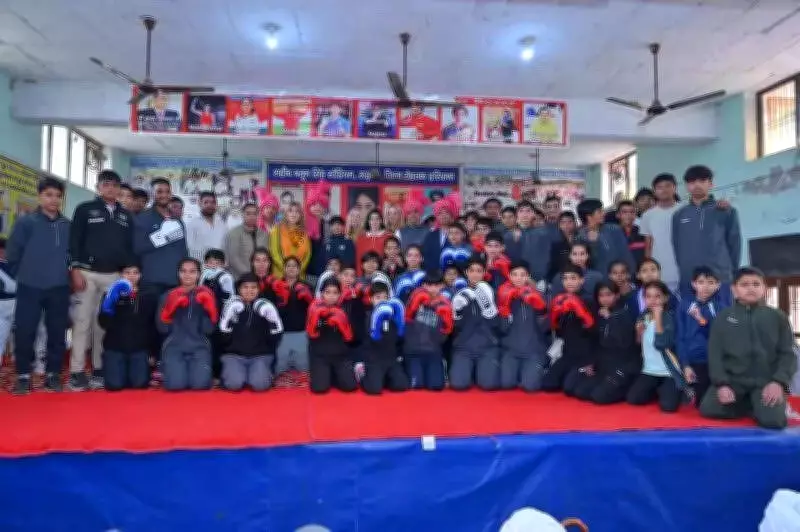
In Roorki, a recognized hub for women's boxing, the village has not been allotted a boxing nursery this season, raising serious fears about disruption in training for aspiring boxers. The boxing nursery at Shaheed Baitun Singh Stadium in Roorki, though not officially shut down, has effectively been left in limbo due to the absence of allotment this year, according to local residents.
Roorki has earned a formidable reputation in women's boxing, having produced more than 15 international-level players and over 50 national-level boxers from Haryana. Among the most prominent names to emerge from the village is Meenakshi Hooda, who trained at the facility and is regarded among the country's leading women boxers.

Several other boxers from the village have achieved remarkable success:
- Jyoti
- Shiksha Narwal
- Bharti
- Monika
- Sanjana
- Shivani
- Khushi
These athletes have won medals at the international level and secured government jobs, underlining the nursery's crucial role in both sporting success and social mobility.
Coaches and Officials Express Concern
Coach Vijay Hooda, who trained Meenakshi Hooda, emphasized that the nursery has been central to the village's sporting identity. "This is not just about the ground. It is about careers, recognition and empowerment of girls who have made the village proud," he stated. He argued that Roorki's impressive track record should have warranted greater support rather than reduction. "Instead of expanding facilities, the nursery has not been allotted this season. It sends a wrong signal to aspiring athletes and their families," he added.
Residents noted that most trainees come from modest backgrounds and depend heavily on government-supported nurseries for structured early-stage training. "Even limited institutional support can make a major difference. Many of these girls have risen from humble backgrounds to represent the state and country," explained a villager who wished to remain anonymous.
District sports officer (acting) Anoop Kumar confirmed that Roorki's nursery had been strongly recommended for continuation. "It is surprising that it did not get allotment despite its outstanding performance record and contribution to women's boxing in Haryana," he remarked.
Alakhpura's Football Nurseries Reduced
A similar concern has surfaced in Alakhpura village of Bhiwani district, long regarded as a powerhouse of women's football. The village, which earlier had four football nurseries, has now been allotted only one, located in a government school. This significant reduction from four to one nursery has raised alarms about the future development of football talent in the region.
Despite the reduction, Alakhpura has maintained a formidable record of excellence. Its girls' football team has won the prestigious Subroto Cup four times, reflecting a strong and enduring culture of sporting achievement that has produced numerous successful athletes.
Rajdeep Singh, sarpanch of Alakhpura, highlighted that many players from the village had secured government jobs through sports. "Girls here train diligently every morning and evening. Alakhpura's 'golden girls' are known across the country for their dedication and achievements," he said proudly.
Regarding the reduced allotment, Singh revealed that the village had urged authorities to restore more nurseries to maintain the momentum of talent development. "We are hopeful the department will reconsider this decision and recognize the vital role these nurseries play in nurturing future champions," he added optimistically.

Broader Implications for Grassroots Sports
The reduction in nursery allotments in both Roorki and Alakhpura raises broader questions about institutional support for women's sports at the grassroots level in Haryana. These nurseries have not only produced elite athletes but have also served as engines of social mobility, providing opportunities for girls from economically disadvantaged backgrounds to build careers and gain recognition.
The current situation underscores the delicate balance between administrative decisions and their impact on sporting ecosystems that have taken years to develop. As both communities await potential reconsideration from the sports department, the future of numerous aspiring athletes hangs in the balance, with their dreams potentially affected by these policy changes.