Football Becomes Weapon Against Child Marriage in Rajasthan Village
In the rural landscape of Padampura village in Rajasthan, a remarkable story of defiance unfolded when 14-year-old Nisha Vaishnav and her 18-year-old sister Munna were practicing football. During their training session, they noticed adults photographing them, only to discover it was a family scouting for a bride for their son. This incident highlights the persistent challenge of child marriage in India, where despite legal prohibitions requiring girls to be at least 18 and boys 21 to marry, the practice remains deeply entrenched in many communities.
The Stark Reality of Child Marriage in India
According to UNICEF data, approximately 25% of women in India were married before reaching the legal age, with Rajasthan consistently recording some of the highest rates in the country, often exceeding national averages. In numerous households across the state, girls are rarely consulted about their futures, and resisting arranged marriages can appear nearly impossible. However, for Nisha and Munna, football provided the unexpected platform to challenge these traditions.
Finding Liberation Through Sport
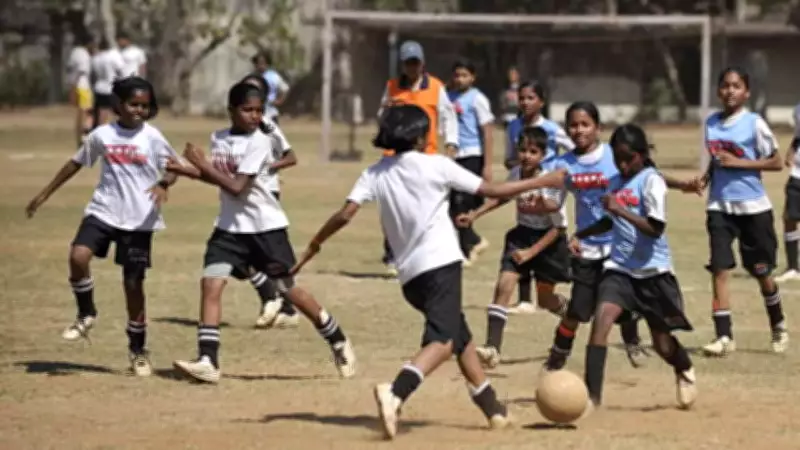
The sisters discovered their pathway to freedom through Football for Freedom, a state-wide nonprofit organization that truly lived up to its name for them. Munna, the elder sister, first encountered the sport through this initiative, which aims to help girls find better livelihoods through athletic participation. In 2022, she introduced her younger sister Nisha to the program, beginning their joint journey toward empowerment.

In their conservative village, Munna championed significant changes, fighting for permission to travel to tournaments and advocating for wearing shorts during play instead of traditional tunics and trousers. "For the first two to three days, village women would point to us and say, 'Look at those girls exposing their legs'," Munna told the BBC. "We ignored them, decided we didn't care, and continued wearing shorts."
Nisha followed her sister's courageous example, eventually earning a spot on the Rajasthan state football team and competing at the National Football Championship in 2024.
Rejecting Tradition, Embracing Ambition
In a community where women traditionally maintain long hair as a symbol of femininity and cover their faces with veils around men, Nisha made the bold decision to cut her hair short. When the family that had been photographing them extended a marriage proposal, she firmly asserted that she was too young to marry and wanted to pursue a football career instead.
The sisters faced additional pressure when they resisted a joint marriage proposal from another family in 2025, which also involved their younger brother. When their father questioned whether there was a romantic interest waiting at football practice, Nisha responded definitively: "There is no lover. I am going to play football - that is my love."
Their resistance carries particular significance given their family history. Their elder sister was married in 2020 at just 16 years old, and their mother, Laali, was herself a child bride. Explaining why the practice persists, Laali noted that families fear that unmarried girls might be exposed to "bad influences and run away with boys." When asked if she knew marrying her eldest daughter at 16 was illegal, she admitted: "We do it quietly, we don't print a wedding invitation or decorate the house or put up a tent."
Organizational Support for Change
Football for Freedom operates as part of Mahila Jan Adhikar Samiti, a women's rights nonprofit that has helped 72 girls delay child marriages. Padma Joshi, a representative of the organization, emphasizes educating parents about the risks associated with early marriage, which include:

- Increased risk of early pregnancy
- Sexual coercion and vulnerability
- Malnutrition and poor physical health
- Adverse mental health consequences
Since its establishment in 2016, Football for Freedom has trained approximately 800 girls across 13 villages in Rajasthan. Joshi explains to parents that pursuing football could lead to employment opportunities, as Indian states reserve job quotas for athletes. This economic argument often proves persuasive in communities where financial security remains a primary concern.
The Ongoing Struggle Against Child Marriage
The challenge remains formidable. UNICEF estimates that 1.5 million girls under 18 are married each year in India. Although the law prescribes penalties of up to two years' imprisonment and fines of ₹1 lakh for those facilitating child marriages, many ceremonies go unreported and escape prosecution. Some marriages are later legally registered once the couple reaches adulthood, creating a complex enforcement landscape.
Now 15 years old, Nisha continues to attend school while developing her football skills with aspirations of playing for the national team. Even if that dream isn't realized, consistent performance at the state level through university could help secure a government job and financial independence. Munna, now 19, continues to resist marriage proposals, including one from her sister's in-laws. She currently helps train other girls through the Football for Freedom project while completing her university degree.
"Whether I am able to stop their marriage or not, I want to help them become something in life, realize their dreams," Munna stated. In a village where child marriage was once viewed as an inevitable conclusion, these two sisters are rewriting societal expectations, demonstrating that with determination and support, traditional narratives can be challenged one goal at a time.