Doha Diamond League Postponed Indefinitely Amid Regional Tensions
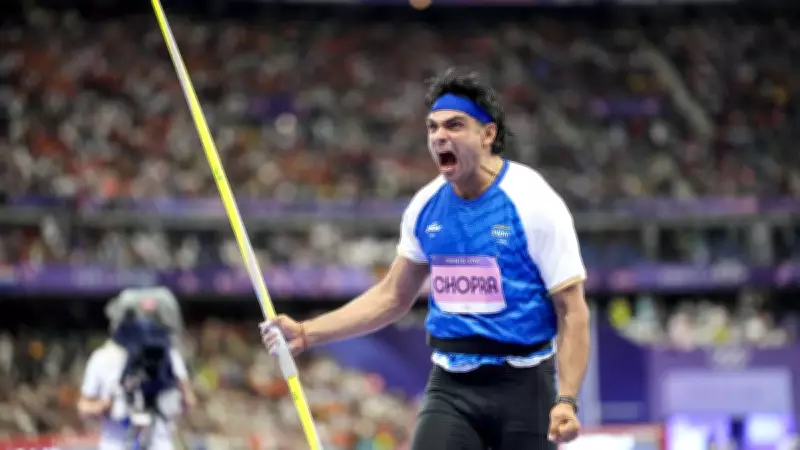
The highly anticipated Doha Diamond League athletics meet, a key fixture on the global track and field calendar, has been officially postponed. The decision, announced by event organizers, comes as a direct result of the escalating geopolitical tensions currently gripping the West Asia region. This development has significant implications for athletes worldwide, including India's Olympic and world champion javelin thrower, Neeraj Chopra, who was slated to be a headline competitor at the event.
Impact on Neeraj Chopra's Competition Schedule
Neeraj Chopra, who has been meticulously planning his season to build momentum towards major championships, now faces an unexpected disruption. The Doha meet was a critical early-season test for Chopra, offering a high-level competitive platform to gauge his form against other world-class throwers. The postponement forces a recalibration of his training and competition timeline for the 2026 season. While his participation in other Diamond League events and major tournaments remains unaffected for now, the absence of the Doha stop creates a gap in his planned competitive rhythm.
Organizers Cite Safety and Logistical Concerns
In an official statement, the Diamond League organizing body and local Qatari authorities emphasized that the decision was made "solely in the interest of athlete, official, and spectator safety, as well as due to insurmountable logistical challenges arising from the current regional situation." They confirmed that all efforts are being made to explore potential alternative dates later in the year, but no concrete rescheduling plans have been finalized. Ticket holders are being advised to await further communication regarding refunds or transfers.

Broader Implications for the Athletics World
This postponement underscores how international sports events can become collateral damage in geopolitical conflicts. The Doha Diamond League is a premier event that typically attracts top global talent and significant international broadcast attention. Its delay disrupts:
- Athlete Preparation: For many, it was a targeted peak event.
- Broadcasting Schedules: Leading to programming adjustments for networks worldwide.
- Fan Engagement: Disappointing thousands of athletics enthusiasts.
- Qualification Pathways: Potentially affecting early-season qualification standards for some athletes.
The global athletics community now watches closely, hoping for a swift and peaceful resolution to the regional tensions so the sporting calendar can resume its normal flow.