Los Angeles Dodgers' Massive $400 Million Payroll Ignites Major League Baseball Controversy
The Los Angeles Dodgers are entering the 2026 Major League Baseball season with a staggering payroll approaching $400 million, a figure that has sent shockwaves throughout professional baseball. This astronomical spending has become the central topic of conversation across MLB, dividing fans, executives, and analysts who question whether such financial dominance is sustainable or fair for competitive balance.
Andrew Friedman's Unapologetic Defense of Dodgers' Financial Strategy
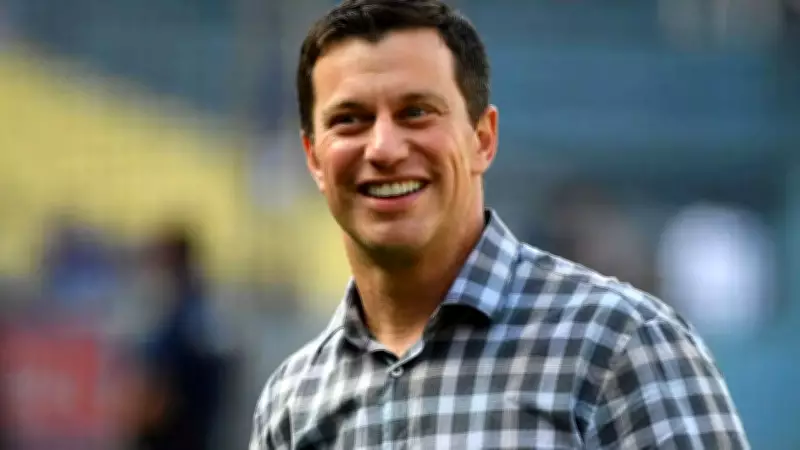
Amid growing criticism from rival teams and baseball purists, Dodgers president of baseball operations Andrew Friedman has delivered a forceful defense of the organization's spending model. During an appearance on Foul Territory, Friedman pushed back against what he called "an incredibly lazy narrative" that the Dodgers receive unfair advantages.
"I am obviously biased," Friedman acknowledged. "But you look back 13 years ago when the Dodgers went bankrupt, and people don't remember that. This is just a really, really strong organization right now, with incredible fan support."

Friedman emphasized the organization's commitment to rewarding their loyal fanbase, noting that "we have to fulfill our side of this, and we have to reward our incredible fans who come out 50 thousand every night."
The 2011 Bankruptcy Settlement That Changed Everything
Friedman's reference to the team's 2011 bankruptcy under former owner Frank McCourt reveals the complex financial history behind the Dodgers' current position. Following that turbulent period, the franchise was sold to a group led by Mark Walter, with MLB approving specific terms tied to the team's future local television arrangements.
This led to the Dodgers signing a monumental 25-year, $8.35 billion television contract with Spectrum SportsNet LA. Crucially, due to how revenue-sharing rules were structured following the bankruptcy settlement, a significant portion of their local television revenue operates under different parameters than standard MLB revenue-sharing formulas.
While most MLB teams contribute approximately 34 percent of their local revenue to the league's revenue-sharing pool, reports indicate the Dodgers' unique arrangement reduces their contribution compared to what they might otherwise pay under conventional rules.
Financial Edge or Legitimate Advantage?
Friedman insists that the additional revenue isn't simply pocketed as profit but is reinvested into roster construction and enhancing the fan experience. "This money goes back into building a competitive team and creating memorable experiences for our supporters," he maintains.
However, critics argue this financial structure creates an uneven playing field, making it substantially easier for Los Angeles to outspend smaller-market competitors. The debate has intensified as the Dodgers continue to explore additional roster enhancements, including potential trade discussions for Toronto Blue Jays pitcher José Berríos, who made 30 starts in 2025 with a 4.17 ERA over 166 innings.
The Broader Impact on Major League Baseball
The controversy extends beyond simple payroll numbers, touching on fundamental questions about competitive balance, revenue distribution, and the future direction of professional baseball. Smaller-market teams struggling to keep pace with the Dodgers' spending power have expressed concerns about the long-term implications for league parity.
For now, Andrew Friedman and the Dodgers organization remain steadfast in their position. Their message is clear and uncompromising: they believe they are operating within established rules, they are committed to fielding a championship-caliber team, and they offer no apologies for their substantial financial investments in pursuit of baseball excellence.
As the 2026 season approaches, this debate shows no signs of diminishing, with the Dodgers' spending strategy likely to remain a polarizing topic that shapes conversations about economics, competition, and the evolving landscape of Major League Baseball for years to come.