Boxing Power Struggle Intensifies as Dana White Responds to WBC President's Accusations
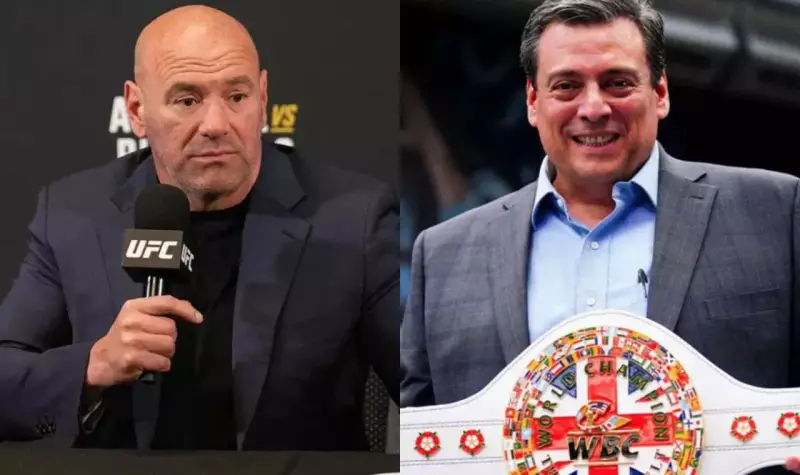
The simmering tension between boxing's traditional establishment and its newest major player has erupted into public view, with UFC President Dana White issuing a forceful response to accusations from World Boxing Council (WBC) President Mauricio Sulaiman. The controversy centers on Zuffa Boxing's entry into professional boxing, with Sulaiman characterizing the promotion's approach as aggressive bullying that threatens the sport's long-standing structure.
Accusations of Bullying and Aggressive Tactics
Mauricio Sulaiman, who leads one of boxing's most prestigious sanctioning bodies, publicly questioned Dana White's methodology in a recent interview with Boxing Social. The WBC president expressed concern that Zuffa Boxing was creating unnecessary friction with organizations that have governed world titles for decades, suggesting the new promotion was attempting to strong-arm its way into the sport.
"There was no need for confrontation," Sulaiman emphasized, pointing to boxing's existing system built on history, tradition, and recognized world championships. The criticism gained particular significance following earlier uncertainty about whether Sulaiman would be permitted to present the WBC belt at a recent superfight overseen by White.

Dana White's Comprehensive Defense of Zuffa Boxing
Responding directly to an Instagram post shared by Boxing Social, Dana White offered a detailed rebuttal to the bullying allegations. The UFC executive made several key declarations about Zuffa Boxing's operational philosophy:
- Respect for existing structures: White confirmed that established sanctioning bodies including the WBC, WBA, IBF, and WBO would continue operating without interference
- Protection of fighter rights: He emphasized that the Ali Act would remain fully intact and unchanged, ensuring fighters retain all current legal protections
- Collaboration with traditional promoters: White specifically mentioned that prominent promoters like Oscar De La Hoya, Eddie Hearn, and Bob Arum's Top Rank would continue their business operations normally
"I'm just doing something different," White wrote, questioning why his innovative approach was being characterized as bullying. He further clarified that fighters would maintain complete freedom to compete across promotions and pursue opportunities outside Zuffa Boxing if they choose.
Evidence of Continued Collaboration Despite Tensions
Interestingly, Mauricio Sulaiman himself provided evidence contradicting his own concerns about Zuffa Boxing's disruptive potential. The WBC president highlighted several fighters currently linked to the new promotion who remain active within the WBC structure:
- Callum Walsh: The WBC Continental Americas champion who is scheduled to headline Zuffa Boxing's debut event
- Dalton Smith: An active contender pursuing WBC championship opportunities
- Conor Benn: Another fighter maintaining WBC title aspirations while associated with Zuffa Boxing
The debate has intensified further with IBF cruiserweight champion Jai Opetaia joining the Zuffa roster, raising questions about future title unification possibilities. Recent reports suggest Zuffa Boxing may permit fighters like Opetaia to pursue unification bouts while remaining under the promotion's banner, indicating potential for collaboration rather than confrontation.
Broader Context and Future Implications
This public exchange occurs at a particularly significant moment for boxing's regulatory landscape. Dana White's comments coincided with the proposed Ali Revival Act clearing a House committee, suggesting potential legislative changes ahead. Meanwhile, Zuffa Boxing prepares for its inaugural event under its Paramount+ partnership, making this power struggle particularly timely.

The controversy highlights fundamental questions about innovation versus tradition in professional boxing. While Sulaiman defends decades of established practice, White represents a new approach seeking to expand the sport's commercial potential. As Zuffa Boxing moves toward its official launch, the tension between boxing's traditional leadership and its newest major entrant appears likely to shape the sport's direction for years to come.
What remains clear is that both sides acknowledge the importance of fighter protections and championship legitimacy, even as they disagree about methodology. The coming months will reveal whether this represents a temporary disagreement or a fundamental reshaping of boxing's power dynamics.