Caleb Williams' 'Iceman' Trademark Move Ignites Controversy with NBA Legend
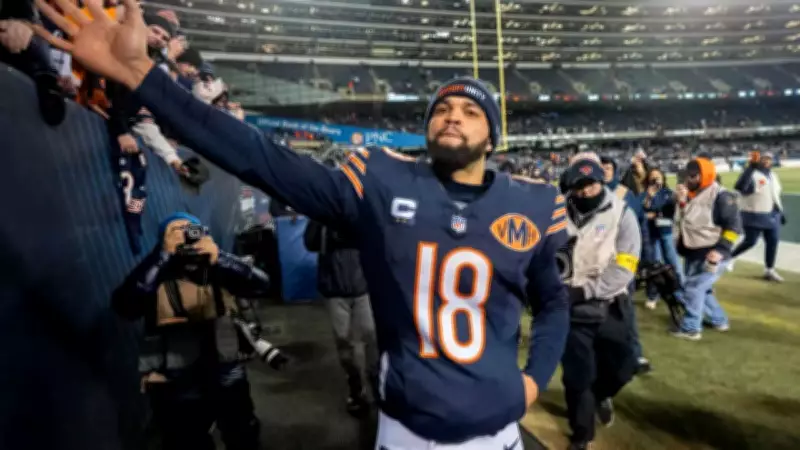
Chicago Bears quarterback Caleb Williams has quickly established himself as a force in the NFL, but his latest off-field action has stirred an unexpected feud. Following a standout rookie season where he threw for a franchise-record 3,942 yards and led the team to the divisional round, Williams earned the nickname "Iceman" for his calm demeanor under pressure. However, what seemed like a natural extension of his identity has now escalated into a contentious dispute involving an NBA Hall of Famer and a prominent sports commentator.
The Trademark Filing That Sparked the Fire
On March 16, Williams' company took a significant business step by filing four trademark applications for the term "Iceman." These applications cover a broad range of merchandise, including apparel and sports gear, reflecting a common strategy among modern athletes to build their brands early in their careers. The move, however, did not go unnoticed by George Gervin, the legendary San Antonio Spurs star who has been synonymous with the "Iceman" moniker for over four decades.
Gervin, whose nickname became iconic during his Hall of Fame career, responded swiftly by filing his own trademark applications for "Iceman" and "Iceman 44" just four days later. The number 44 is a direct reference to his playing days, underscoring his deep connection to the nickname. Expressing clear frustration, Gervin stated, "I've been the Iceman for 40-something years. I never thought anybody would try to trademark it. He kind of knocked me out the box." This reaction highlights the tension between preserving sports legacy and the aggressive branding tactics of today's athletes.

Skip Bayless Weighs In, Adding Fuel to the Flames
The controversy gained further momentum when sports television personality Skip Bayless entered the fray. Known for his outspoken opinions, Bayless did not mince words in his criticism of Williams' actions. He wrote, "I'm a Caleb Williams fan. But I was a much bigger Iceman Gervin fan, and I'm offended Caleb and Co. are trying to steal George's all-time great nickname." Bayless' comments drew a sharp line between respecting historical legacy and the perceived encroachment of modern branding, amplifying the public debate.
Williams' Defiant Response and the Core of the Dispute
Williams, however, was quick to defend his position, responding with a pointed and unyielding tone. In a social media post, he retorted, "Idc about where your fandom stands. I was trying give you and everyone else the benefit of the doubt. About knowing business and being smart about it. But I guess not. Foolish of me! Also words matter Skip Bayless. 'Steal' Enjoy that podcast." The quarterback even referenced the definition of the word "steal," emphasizing that he views the criticism as misguided and that his actions are rooted in seizing a business opportunity rather than appropriating someone else's identity.
From Williams' perspective, this trademark filing is a strategic move to capitalize on his growing brand, a common practice in contemporary sports where athletes leverage their public personas for commercial gain. He argues that it is not an attempt to erase history but to build upon his own achievements and marketability.
The Broader Implications and Awaiting Resolution
This dispute transcends a simple legal battle over a nickname; it has evolved into a larger conversation about ownership, history, and the evolving landscape of athlete branding. As the United States Patent and Trademark Office reviews the applications, the outcome will set a precedent for how such conflicts are handled in the future. The case underscores the delicate balance between honoring sports icons of the past and allowing new generations to forge their own identities and business ventures.
For now, the controversy remains unresolved, with fans and analysts alike watching closely. Whether Williams' "Iceman" trademark will stand or if Gervin's legacy will prevail is yet to be determined. What is clear is that this episode has highlighted the complexities athletes face as they navigate branding in an era where personal and professional lines are increasingly blurred.