Bill Belichick's Hall of Fame Omission Ignites Controversy Beyond Football
The NFL community remains in a state of disbelief following the shocking exclusion of Bill Belichick from the 2026 Pro Football Hall of Fame ballot. For a coach whose illustrious career includes six Super Bowl championships and decades of unparalleled dominance, this omission has sent ripples of surprise and debate throughout the football world.
Optics and Timing Overshadow Football Achievements
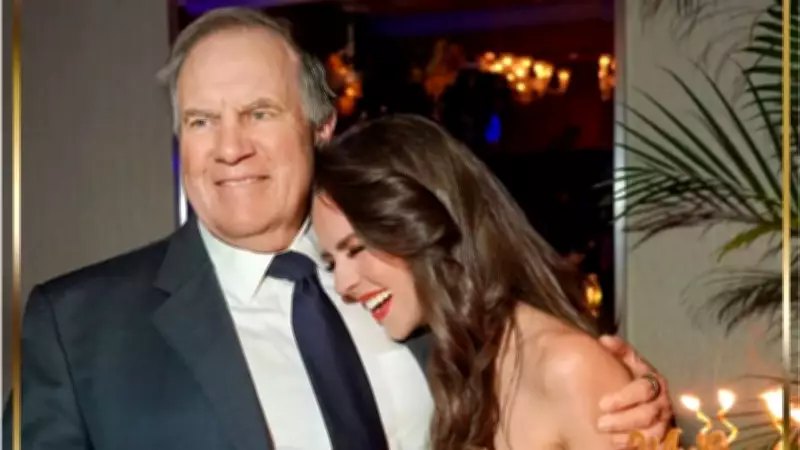
Behind the scenes, insiders reveal that the voting discussions shifted away from Belichick's impressive playbooks and trophy-laden résumé. Instead, the focus settled on optics, timing, and intense personal scrutiny. According to multiple sources familiar with the deliberations, Belichick's relationship with his much younger partner became an unavoidable topic during the voting process.
While no rules were broken and professional boundaries remained intact, voters reportedly grappled with how public perception might shape this legacy moment. In a process that values reputation and image as much as on-field achievement, this discomfort carried significant weight in the final decision.

Open Debates and Reputational Concerns
Sources close to the Hall of Fame deliberations confirm that the relationship was openly debated rather than quietly dismissed. One insider revealed, "This wasn't whispered — it was discussed. People kept asking, 'Do we really want this to be part of his legacy right now?' The word 'creepy' came up more than once."
For voters who see themselves as guardians of football history, the concern appeared less about morality and more about reputational impact. Timing played a critical role in this assessment. Another insider explained, "The timing killed him. If this had surfaced years after his induction, no one would care. But voters vote on legacy, not just stats."
Belichick's transition into college coaching and increased public visibility only amplified the scrutiny, making the personal aspects of his life more prominent in the public eye.
Public Appearances Fuel Further Scrutiny
Public appearances by Hudson on the field before games and her outspoken responses to criticism reportedly unsettled observers within the voting community. One source elaborated, "It started to feel inappropriate to people. Not illegal. Not immoral. But deeply uncomfortable. And voters see themselves as guardians of the game's image."
Another insider added, "That made it worse. It reinforced the sense that this was becoming a sideshow." These perceptions contributed to an environment where personal factors overshadowed professional accomplishments in the voting process.
Tom Brady's Advocacy Falls Short
Even passionate advocacy from longtime quarterback Tom Brady failed to sway the outcome. Brady publicly defended his former coach, stating, "I don't understand it. I mean, I was with him every day. If he's not a first-ballot Hall of Famer, there's really no coach that should ever be a first-ballot Hall of Famer, which is completely ridiculous because people deserve it."
He further emphasized, "He's incredible. There's no coach I'd rather play for. If I'm picking one coach to go out there to win a Super Bowl — give me one season — I'm taking Bill Belichick. So that's enough said." Despite this strong endorsement from one of football's greatest players, the voting committee remained unmoved.
The Waiting Game Continues
For now, Bill Belichick remains on the outside looking in, waiting for football to ultimately reclaim the final word over perception. This situation raises broader questions about how personal lives should factor into professional recognition within sports hall of fame voting processes.
The controversy highlights the complex intersection between athletic achievement, public image, and legacy considerations in modern professional sports. As the debate continues, many wonder whether future voting will prioritize pure football accomplishments or continue to weigh personal factors in determining Hall of Fame eligibility.