Bill Belichick's Hall of Fame Snub Ignites NFL Credibility Firestorm
The NFL community has been rocked by one of the most controversial decisions in recent memory: Bill Belichick's shocking first-ballot Hall of Fame rejection. This unprecedented snub has triggered what many are calling the league's loudest credibility debate in years, with reactions ranging from disbelief to outright institutional criticism.
More Than a Personal Slight: A Systemic Failure
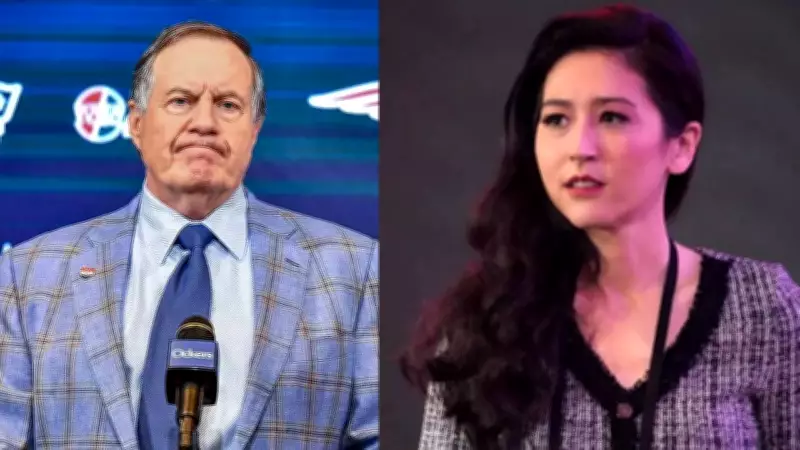
The news landed with seismic impact across professional football, not merely because Belichick was denied entry, but because the greatest coach of his era failed to clear the first voting hurdle. When a coach with eight Super Bowl rings—six as head coach and two as defensive coordinator—cannot secure the required 40 votes, the conversation shifts dramatically from individual achievement to systemic accountability.
Players, coaches, and analysts responded with immediate emotional intensity, framing this decision as far more than a personal oversight. It has evolved into a referendum on how Hall of Fame judgments are made and whether the entire voting process still accurately reflects football reality. The central question now isn't about Belichick's legendary resume, but rather about the system that evaluated it so controversially.

Mina Kimes Calls for Structural Reform Over Quick Fixes
The controversy deepened significantly when respected ESPN analyst Mina Kimes pushed the conversation beyond mere outrage toward substantive reform. She firmly dismissed suggestions of a simple revote, arguing that reversing this single decision would only mask deeper, more fundamental flaws in the voting mechanism.
"No, I don't think so. I agree with literally every person on earth, apparently, except for the people in the Hall of Fame, that this was a mistake. It is a mistake that they're going to have to wear forever, quite frankly, because you can't just say, 'Whoopsies, we're going to take it back because of the result here.' I don't think that is the right way to rectify this. What should happen, and what I think the Hall of Fame has to seriously consider is changing the process that got them to this place," Kimes stated emphatically.
Her comments effectively reframed the entire issue. This was no longer about one legendary coach missing a career milestone; it became a critical examination of whether legacy, impact, and historical dominance are being weighed consistently within the Hall's evaluation framework.
Stephen A. Smith's Fiery Institutional Critique
ESPN's Stephen A. Smith delivered an even more incendiary response, directing his frustration squarely at the Hall of Fame institution rather than individual voters. While acknowledging the voters' age and service, he argued passionately that this outcome fundamentally damages the Hall's credibility and public trust.
"Nobody should show up. Nobody should want to go into that Hall of Fame if Bill Belichick ain't in as a first ballot Hall of Famer. Six championships as a head coach, eight overall, two as a defensive coordinator, universally recognized as arguably the greatest coach in the history of football. And if you don't definitively feel that way, it clearly is a discussion. There is no reason on earth that Bill Belichick is not a first ballot Hall of Famer," Smith declared passionately during his Wednesday commentary.
The Numbers That Once Guaranteed Entry Now Fuel Debate
Belichick retired with statistics that were once considered automatic Hall of Fame credentials:

- Six Super Bowl championships as head coach of the New England Patriots
- Two additional Super Bowl victories as defensive coordinator for the New York Giants
- Numerous division titles and playoff appearances spanning decades
- Widely regarded as one of the most strategically innovative coaches in NFL history
These monumental achievements, which previously defined unquestionable entry, have now become central evidence in a larger debate about trust, transparency, and evolution in Hall of Fame voting procedures. The discussion has expanded beyond Belichick's individual case to question whether the entire selection process requires modernization to maintain relevance and credibility.
As the NFL community continues to process this historic snub, the conversation has clearly shifted from "why Belichick?" to "what's wrong with the system?"—a debate that promises to reshape how football's highest honors are determined for years to come.