Auston Matthews Injury Ignites NHL Safety Debate
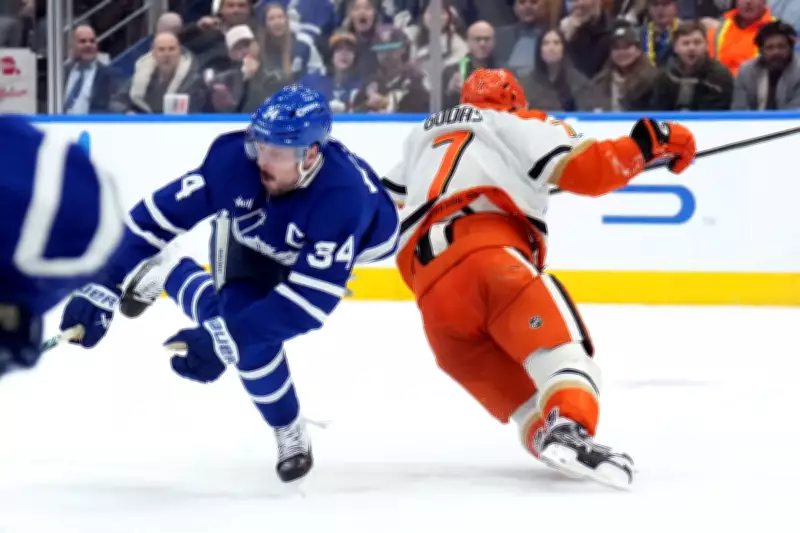
The Toronto Maple Leafs are once again in the spotlight following a severe injury to their captain, Auston Matthews, during a recent NHL game against the Anaheim Ducks. The incident, involving a knee-on-knee hit by Radko Gudas, has left Matthews with a Grade 3 MCL tear and quad contusion, ending his season prematurely and sparking widespread discussion across the hockey community.
Incident Details and Immediate Fallout
Radko Gudas delivered the controversial hit, which has quickly become a focal point in NHL news and updates. The NHL Department of Player Safety responded with a five-game suspension for Gudas, citing the nature of the hit as the basis for the penalty. However, this decision has not quelled the growing criticism from various quarters.
Former NHL head coach Dean Evason has been particularly vocal, questioning the lack of a face-to-face hearing and arguing that the punishment is inadequate given the severe outcome. His comments reflect a broader sentiment that the league may be missing opportunities to enforce stricter standards on dangerous plays.

League Defense and Ongoing Concerns
In contrast, George Parros, head of the Department of Player Safety, defended the ruling, emphasizing that disciplinary measures are based on the hit's characteristics rather than the player involved, aiming for consistency. Despite this justification, concerns persist about the adequacy of current protocols and the potential need for reforms in how such incidents are handled.
Additionally, attention has turned to the Toronto Maple Leafs' on-ice response during the game, with some questioning whether more could have been done to protect players or address the hit immediately. This aspect adds another layer to the debate, highlighting team dynamics and accountability in high-stakes situations.
Broader Implications for the NHL
The repercussions of Matthews' injury extend beyond the immediate game, influencing discussions on player safety, disciplinary procedures, and team strategies. As NHL match previews and updates continue to reference this incident, it remains a pivotal topic in the current season, potentially prompting reviews of league policies and in-house team protocols.
With both opposing views being voiced, the hockey community remains divided, ensuring that this incident will stay at the forefront of NHL news feeds for the foreseeable future. The long-term effects on Matthews' career and the league's approach to similar situations are yet to be fully realized, but the debate underscores the ongoing challenges in balancing competitive play with athlete welfare.