Major Sporting Events as a Gateway: Athletes Defecting for New Lives
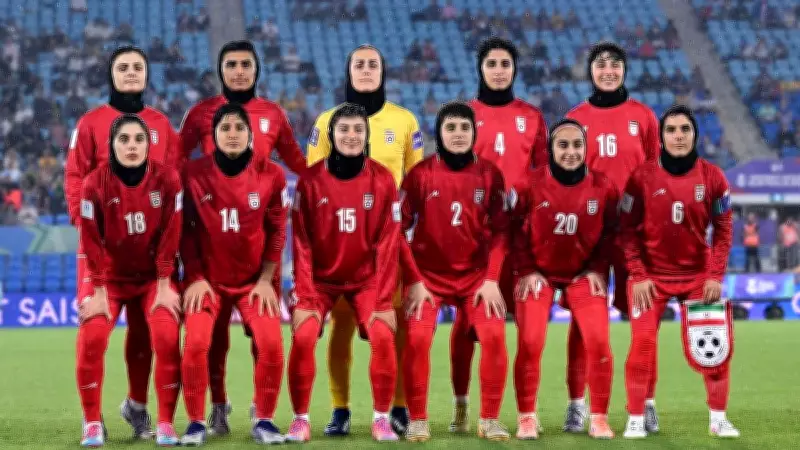
The recent decision by members of the Iranian football team to remain in Australia after a competition this week has drawn attention to a broader phenomenon in international sports. For some athletes, major events are not just about competition; they represent a rare opportunity to defect and seek a new life in another country.
A Historical Pattern of Defection
These Iranian football players are far from the first to travel to a competition and choose to stay there. Throughout history, athletes from various nations have used international tournaments as a chance to defect, often due to political, social, or economic pressures in their home countries. This trend underscores how sports can intersect with personal freedom and global migration.
Defection as a Strategic Move

Major sporting events, such as the Olympics, World Cups, or regional championships, provide athletes with temporary visas and international exposure. This environment can facilitate defection by offering a legal entry point and a platform to seek asylum or residency. For athletes facing persecution or limited opportunities, these events become a critical juncture for making life-altering decisions.
Implications for International Sports
The defection of athletes raises complex issues for international sports organizations and host countries. It challenges the apolitical ideal of sports and forces a reckoning with human rights and diplomatic tensions. Host nations must navigate asylum laws and international relations, while sports bodies may face scrutiny over their role in such scenarios.
Case Studies and Precedents
- In past decades, athletes from Eastern Bloc countries during the Cold War frequently defected at events in the West.
- More recently, individuals from nations with restrictive regimes have sought refuge during competitions in democratic countries.
- The Iranian football team's case adds to a growing list of incidents where sports serve as a conduit for defection.
This phenomenon highlights the dual nature of major events: they celebrate athletic excellence while also offering a potential escape route for those in need. As global sports continue to evolve, the interplay between competition and personal freedom remains a poignant and often controversial aspect.