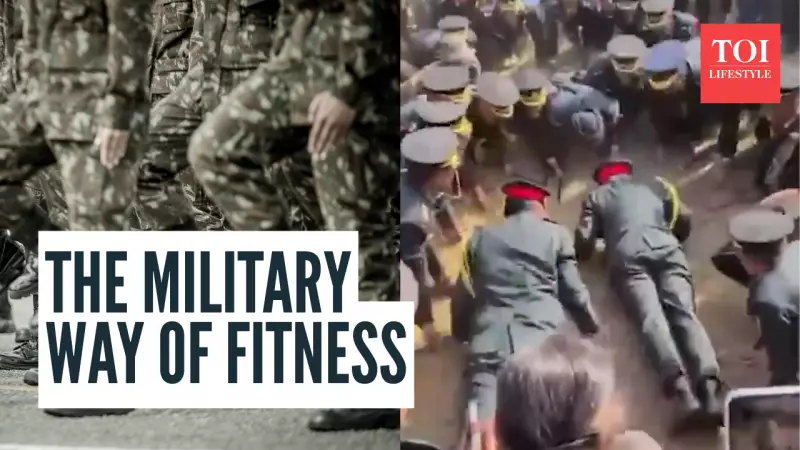
In a powerful display of leading from the front, Army Chief General Upendra Dwivedi recently joined young cadets for a set of push-ups during the passing-out parade at the Indian Military Academy (IMA) in Dehradun. This spontaneous act by the 61-year-old chief officer became the highlight of the ceremony, sending a strong message about fitness, resilience, and military ethos.
Discipline: The Bedrock of Military Fitness
The incident underscored a fundamental principle of army life: unwavering discipline. General Dwivedi's action demonstrated that physical readiness is not a matter of age but of consistent, disciplined effort. In the armed forces, discipline and daily living are inseparable. Behavioral science supports this, showing that discipline is the crucial bridge that turns good intentions into sustained action. While initial enthusiasm can fade, it is disciplined routine that embeds healthy habits into the fabric of everyday life, ensuring peak operational readiness at all times.
A Structured Regimen for Peak Performance
Physical training in the army is not left to chance; it is a meticulously structured and non-negotiable part of the daily routine. This systematic approach ensures profound health benefits for personnel of all ages. The regimen typically includes multiple daily sessions of exercises like push-ups, running, obstacle courses, and strength drills. This structured activity builds not just muscular strength and endurance, but also critical mental resilience. General Dwivedi's participation was a live demonstration of this very culture, proving that the standards expected from young cadets are upheld at the very top.

The Power of Visible Leadership and Role Modelling
The Army Chief's gesture went beyond a simple fitness display. It served as a potent behavioral signal and an act of visible role modelling. Studies, including one published in BMC Geriatrics, indicate that when respected leaders actively demonstrate health-promoting behaviors, they create powerful social cues. This visibility significantly boosts motivation and encourages long-term adherence to positive habits among peers and subordinates. By doing push-ups with the passing-out course, General Dwivedi reinforced the social norm of fitness within the institution and provided a massive motivational boost.
While the military's fitness regimen is rigorous, its core principles are universal: consistency, discipline, and a structured approach. General Upendra Dwivedi's inspiring act at IMA Dehradun reminds the nation that age is merely a number. What truly matters is the determination to integrate discipline and regular physical activity into one's life, a lesson that extends far beyond the parade ground and into everyday civilian life.