

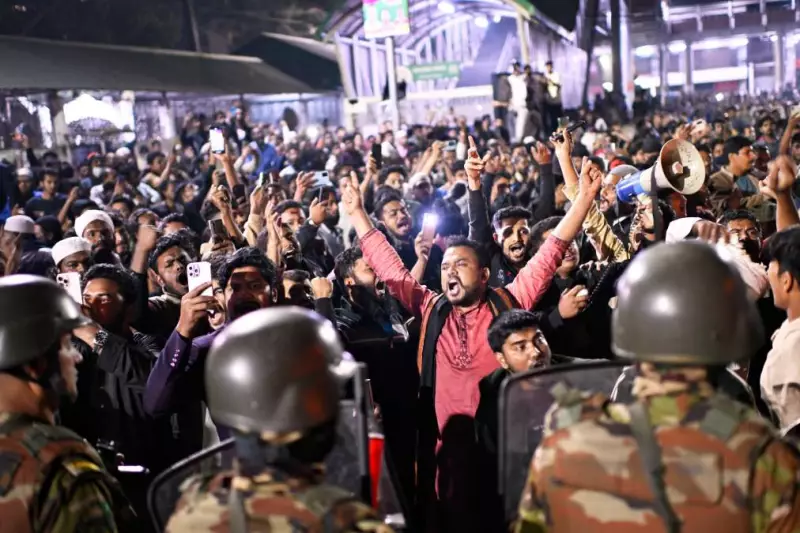
In a startling revelation that sheds new light on diplomatic tensions, former Indian High Commissioner to Bangladesh, Manju Seth, has detailed the instrumental role played by Bangladeshi politician Osman Hadi in orchestrating a sustained anti-India campaign. The exclusive insights, shared in a recent interview, expose a calculated effort to strain bilateral ties between the two neighboring nations.
Manju Seth's Exclusive Account of the Campaign
Manju Seth, who served as India's envoy in Dhaka, provided a detailed chronology of events, pinpointing Osman Hadi's activities. According to Seth, Hadi, a prominent political figure, was not merely a critic but a central organizer of efforts to malign India's image and interests within Bangladesh. The campaign, she asserts, was systematic and leveraged local media and political platforms to spread narratives hostile to India.
The former diplomat highlighted that these activities peaked around December 2025, creating significant challenges for diplomatic engagement. Seth described Hadi's methods as multifaceted, involving the mobilization of student groups, coordination with certain media houses for negative coverage, and attempts to influence public opinion against Indian developmental projects and policies.

The Impact on Bilateral Relations
The anti-India campaign had tangible consequences for the relationship between New Delhi and Dhaka. Seth explained that it created an atmosphere of mistrust and complicated negotiations on various fronts, including trade, security cooperation, and shared water resources. The orchestrated negativity made it difficult to foster people-to-people connections and threatened to undermine years of diplomatic progress.
Key areas affected included collaborative infrastructure projects and defense partnerships, which faced renewed scrutiny and opposition fueled by the campaign. The envoy's account suggests that Hadi's actions were aimed at derailing the strategic partnership, potentially to serve narrower political interests within Bangladesh's domestic landscape.
Revelations and the Road Ahead
By bringing these details to light, Manju Seth's testimony provides crucial context for understanding the periodic strains in India-Bangladesh relations. It moves the discussion beyond vague allegations to specific actors and strategies. Her decision to "spill the beans" is seen as an effort to ensure a clear historical record and to advocate for vigilance against forces seeking to divide the two countries.
The revelations underscore the complex nature of diplomacy in the region, where domestic politics in one country can have direct repercussions on international ties. This exposure is expected to prompt a reevaluation of how such covert campaigns are identified and countered in the future, emphasizing the need for robust diplomatic communication and proactive engagement with civil society.
As both nations look forward, the insights from the former envoy serve as a reminder of the enduring need to nurture the bilateral relationship, built on shared history and mutual economic interests, against attempts to sow discord. The focus now shifts to how the two governments will address these disclosed challenges to ensure stability and continued cooperation.






