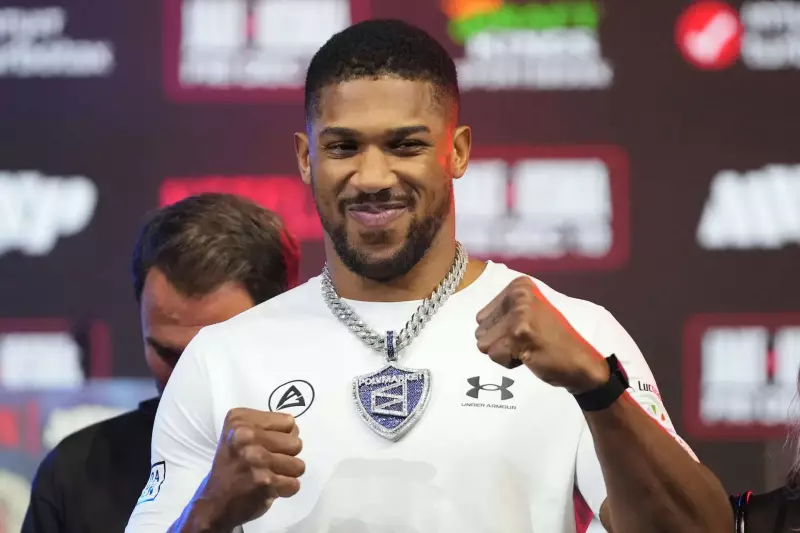
When the world sees Anthony Joshua, the image is often one of sheer power: an Olympic gold medallist, a two-time heavyweight world champion, a global sports icon defined by muscles, championship belts, and electrifying fight nights. Yet, behind this formidable public persona lies a profound and private force—his family. This close-knit unit has been the unwavering anchor, grounding the superstar through the whirlwinds of fame and immense pressure.
The Foundation: Parents and Uphringing
Born on October 15, 1989, in Watford, England, Anthony Oluwafemi Olaseni Joshua carries a rich dual identity. His British upbringing is deeply intertwined with the strong Nigerian roots of his parents, Robert Joshua and Yeta Odusanya. While they have consciously stayed away from the media glare, their influence on AJ's character is immense.
Joshua frequently acknowledges the values his parents instilled in him from an early age: discipline, respect, and a relentless work ethic. His mother, Yeta, played a particularly pivotal role during his formative years, actively keeping him grounded and steering him away from potential trouble. Joshua has been open about his challenging teenage years, where he faced brushes with poor choices, but it was the consistent guidance from his family that helped him reset his path and funnel his explosive energy into the discipline of boxing.

His father, Robert, represents a pillar of quiet, steadfast support. Though not one for public statements, his pride in his son's achievements is a known constant, offering a stable presence away from the headlines.
Siblings, Heritage, and the Inner Circle
Anthony Joshua is not an only child. He has siblings—Jacob, Janet, and Loretta Joshua—who, like their parents, value their privacy. Despite their low-profile lives, the importance of family bonds to AJ is clear. The experience of growing up with siblings ingrained in him the core principles of loyalty and trust. As his fame reached stratospheric levels, he made a deliberate choice to shield his family from public scrutiny, fiercely protecting his inner circle.
His Nigerian heritage, specifically his parents' Yoruba descent, is a profound source of pride for Joshua. He often speaks about how African cultural values shaped his worldview. The emphasis on respect for elders, strong family ties, and community responsibility are themes he regularly revisits. This upbringing taught him to think beyond personal glory, to represent his family name and his culture with dignity in every arena of life.
Fatherhood: A New Purpose and Perspective
One of the most transformative chapters in Anthony Joshua's life began with the birth of his son, Joseph Bayley Joshua, affectionately called JJ. Fatherhood fundamentally changed him, providing a deeper, more profound sense of purpose. Joshua has stated that becoming a dad forced him to think long-term about his legacy, his behaviour, and the example he sets. Despite the gruelling demands of his boxing career, he prioritises being a present and engaged father. This role has added a notable layer of emotional depth and softened the public image of the fierce competitor seen on fight night.
The Recent Road Accident in Nigeria
In a shocking turn of events shortly after his significant victory over Jake Paul, Anthony Joshua was involved in a serious car accident on Nigeria's Lagos-Ibadan Expressway. The SUV he was travelling in collided with a parked truck. Tragically, the accident resulted in the deaths of two individuals in the vehicle. Joshua, fortunately, escaped with only minor injuries and was promptly taken to a hospital for check-ups, as confirmed by police and eyewitness accounts. Circulating online footage showed the boxer appearing shaken but alert amidst the wreckage. The global boxing community and his fans have poured out their support, wishing him a speedy recovery while mourning the tragic loss of life.
This incident starkly highlights the vulnerabilities that exist outside the ring, even for a world champion. It also brings into sharper focus the family and cultural roots that provide him with resilience, reminding everyone that behind the icon is a man deeply connected to his origins and loved ones.