Amari Bailey's Groundbreaking Quest to Redefine College Basketball Eligibility
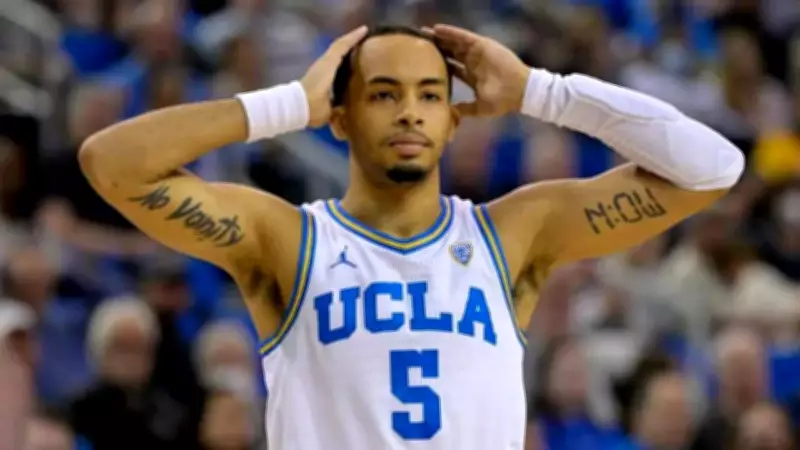
In a move that is capturing national attention and challenging long-standing norms, former UCLA guard Amari Bailey is attempting to extend the boundaries of modern college basketball eligibility. At just 21 years old, Bailey is pursuing a path no player has taken before: he wants to return to college basketball after appearing in regular season NBA games.
The Unconventional Journey of a Rising Basketball Star
Amari Bailey played one season at UCLA during the 2022-23 campaign before declaring for the NBA Draft. Selected in the second round by the Charlotte Hornets, he appeared in 10 NBA games on a two-way contract while also developing his skills in the G League. Despite gaining valuable professional experience, Bailey has revealed that the decision to leave college early continues to weigh heavily on him.
"Right now I'd be a senior in college," Bailey told ESPN in a revealing interview. "I'm not trying to be 27 years old playing college athletics. No shade to the guys that do; that's their journey. But I went to go play professionally and learned a lot, went through a lot. So, like, why not me?"

Bailey's pursuit is particularly surprising considering he has already made NBA appearances, a milestone most college athletes dream of achieving. Outside the major league spotlight, however, Bailey is looking to extend his basketball career in an unconventional direction that could potentially reshape how we view athlete development.
The Legal Battle and NCAA's Firm Stance
Bailey has taken significant steps toward his goal, hiring both an agent and an attorney as he prepares to seek a waiver that would allow him to play one more college season. "It's not a stunt," Bailey emphasized. "I'm really serious about going back. I just want to improve my game, change the perception of me and just show that I can win."
His legal team argues that he would still fall within the NCAA's five-year eligibility window and believes that limited NBA minutes should not outweigh his age or development goals. Bailey's attorney, Elliot Abrams, has questioned the logic behind permanently barring players with brief NBA experience.
"You've got a college-aged kid who wants to go to college, and you've got a system that says, 'Too bad, you've gone to a different league so you're out forever,'" Abrams stated. "I don't see any real justification for it."
The NCAA, however, has maintained a firm stance against such moves. NCAA senior vice president of external affairs Tim Buckley reiterated the association's position when asked about Bailey's case.
"The NCAA has not and will not grant eligibility to any players who have signed an NBA contract," Buckley declared. "Congress can strengthen NCAA rules so professional athletes cannot sue their way back to competing against college students."
Broader Implications for College Athletics
NCAA president Charlie Baker has shared similar concerns earlier this season, warning that court rulings allowing professional players to return could potentially reduce opportunities for high school recruits. This case comes at a time when NCAA eligibility rules are facing renewed legal pressure and scrutiny from various quarters.
The move made immediate headlines across sports media, but it's understandable when considering that the rising NBA star is not entirely happy with leaving college halfway through what could have been a complete collegiate experience. Bailey continues to train twice daily in Southern California while preparing to speak with potential programs that might welcome him if his eligibility bid succeeds.
This unprecedented situation raises important questions about:

- The evolving relationship between professional and collegiate sports
- How eligibility rules should adapt to modern athlete development paths
- The balance between protecting amateurism and supporting athlete growth
- Whether brief professional experience should permanently disqualify athletes from college competition
As Bailey's case progresses, it promises to spark broader conversations about athlete rights, the purpose of college athletics, and how institutions can best support young athletes navigating the complex transition between amateur and professional sports.