West Bengal Governor Appointment Ignites Political Firestorm Between TMC and BJP
The recent appointment of a new Governor for West Bengal has erupted into a major political controversy, creating a sharp confrontation between the ruling Trinamool Congress and the opposition Bharatiya Janata Party. This development comes at a critical juncture as the state prepares for upcoming Assembly elections, intensifying the already heated political atmosphere.
TMC Questions Timing and Motives of Governor Change
Trinamool Congress leaders have raised serious concerns about the timing of this gubernatorial appointment, suggesting it carries significant political undertones. The party has emphasized that the state government is currently engaged in multiple disputes with various central institutions, making this move particularly sensitive. TMC representatives have strongly argued that constitutional positions, including that of the Governor, should remain completely insulated from political influence and manipulation.
The ruling party has expressed apprehension that this change could potentially disrupt the delicate balance between state and central authorities, especially during an election period when political tensions typically escalate. Senior TMC members have called for greater transparency in such appointments to maintain public trust in constitutional mechanisms.
BJP Dismisses Allegations and Counters TMC Claims
The Bharatiya Janata Party has firmly rejected all allegations made by the Trinamool Congress regarding the Governor's appointment. BJP leaders have accused the TMC of attempting to exert undue pressure on constitutional authorities and creating unnecessary controversy for political gain. Prominent BJP figure Mithun Chakraborty has actively participated in this debate, adding his voice to the growing political discourse surrounding this issue.
The opposition party maintains that the appointment follows proper constitutional procedures and reflects standard administrative practices. BJP representatives have suggested that the TMC's reaction reveals their discomfort with constitutional checks and balances that might scrutinize the state government's actions more closely.
Historical Context of Raj Bhavan Friction in West Bengal
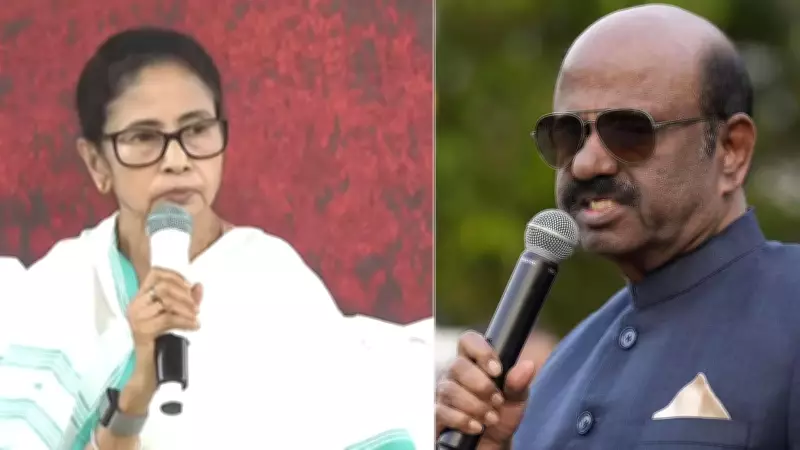
West Bengal's Raj Bhavan has frequently been at the center of friction between the state government and the central administration over recent years. The relationship between the Governor's office and Chief Minister Mamata Banerjee's government has experienced numerous strains across various domains:
- Administrative disagreements regarding the implementation of state policies
- Legislative conflicts concerning the passage of bills and government initiatives
- Constitutional interpretations of respective powers and responsibilities
- Communication breakdowns between state and gubernatorial offices
This historical context of tension makes the current controversy particularly significant, as it represents another chapter in the ongoing power dynamics between state and central authorities in West Bengal.
Election Implications and Political Ramifications
With Assembly elections approaching in West Bengal, this Governor controversy adds another complex layer to the already visible political tensions within the state. Political analysts suggest this development could influence several key aspects of the upcoming electoral battle:
- Campaign narratives focusing on center-state relations
- Voter perceptions regarding constitutional propriety
- Political messaging about autonomy versus central oversight
- Strategic positioning of both major parties on governance issues
The timing of this appointment ensures it will remain a prominent talking point throughout the election season, potentially affecting voter sentiment and political strategies. Both parties are likely to leverage this issue to mobilize their respective support bases and appeal to undecided voters concerned about constitutional integrity and political stability.
As West Bengal moves closer to elections, this Governor appointment controversy has clearly established itself as a significant flashpoint in the ongoing political competition between the Trinamool Congress and the Bharatiya Janata Party, reflecting deeper tensions about power, authority, and constitutional propriety in Indian federal politics.