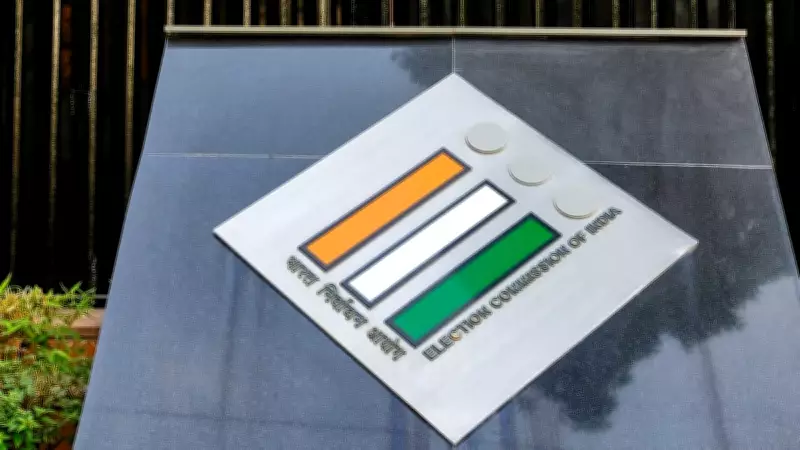
The West Bengal government has taken a significant step in the lead-up to the upcoming elections by formally approaching the Election Commission of India (ECI) with a request to revise its list of central observers. In a move that underscores the state's proactive stance on electoral management, the administration has proposed alternative names for nine Indian Administrative Service (IAS) officers who were initially designated for observer roles.
Formal Communication Sent to Election Commission
According to official sources, the state government has dispatched a detailed communication to the Election Commission, outlining its concerns and suggestions regarding the current roster of central observers. This formal request highlights the administration's desire to ensure that the observer appointments align with local administrative dynamics and operational requirements. The proposed changes are seen as part of broader efforts to facilitate smooth and transparent electoral processes in West Bengal.
Rationale Behind the Proposal
The West Bengal government's proposal is rooted in several key considerations. Firstly, the administration believes that the alternative IAS officers possess specific expertise and experience that are better suited to the unique challenges of monitoring elections in the state. Secondly, there is an emphasis on maintaining neutrality and efficiency, with the state arguing that its suggested names would enhance the credibility of the observer mechanism. This move reflects a collaborative approach, aiming to work closely with the ECI to uphold electoral integrity.

Impact on Election Preparations
This development comes at a crucial time as West Bengal gears up for elections, with preparations in full swing across the state. The role of central observers is pivotal in overseeing polling activities, ensuring compliance with election laws, and addressing any irregularities. By proposing changes to the observer list, the state government seeks to optimize the deployment of resources and personnel, potentially influencing the overall conduct of the elections. Stakeholders are closely monitoring the Election Commission's response, as it could set a precedent for similar requests from other states.
Broader Implications for Electoral Governance
The West Bengal government's initiative raises important questions about the balance between central authority and state input in electoral oversight. While the Election Commission retains the final say in appointing observers, such proposals from state governments can foster a more inclusive and responsive governance framework. This episode also highlights the ongoing dialogue between state and central bodies, emphasizing the need for coordination in democratic processes. As the situation unfolds, it may prompt discussions on refining observer selection criteria nationwide.
In summary, the West Bengal government's request to alter the Election Commission's central observer list marks a notable intervention in election preparations. By proposing alternative names for nine IAS officers, the state aims to tailor the observer team to local needs, reinforcing its commitment to fair and efficient elections. The outcome of this proposal will be closely watched, as it could influence future electoral management strategies in India.