West Bengal Governor Adopts Conciliatory Tone in Assembly Address
In a notable departure from recent political tensions, West Bengal Governor CV Ananda Bose opted for a conciliatory approach during his inaugural address for the state assembly's budget session. Unlike governors in Tamil Nadu, Kerala, and Karnataka who have engaged in public confrontations with their respective state governments, Bose delivered a truncated speech lasting just four and a half minutes, carefully avoiding contentious issues that have previously sparked disputes between Raj Bhavan and the elected administration.
A Brief and Focused Speech
Governor Bose's address was markedly brief, focusing on select portions that highlighted law and order achievements, including references to Kolkata being among the safest cities in the country. This scaled-down approach stood in stark contrast to the more aggressive stances taken by his counterparts in southern opposition-governed states, who have recently refused to adhere to government-provided speech documents and even walked out of legislative houses prematurely.
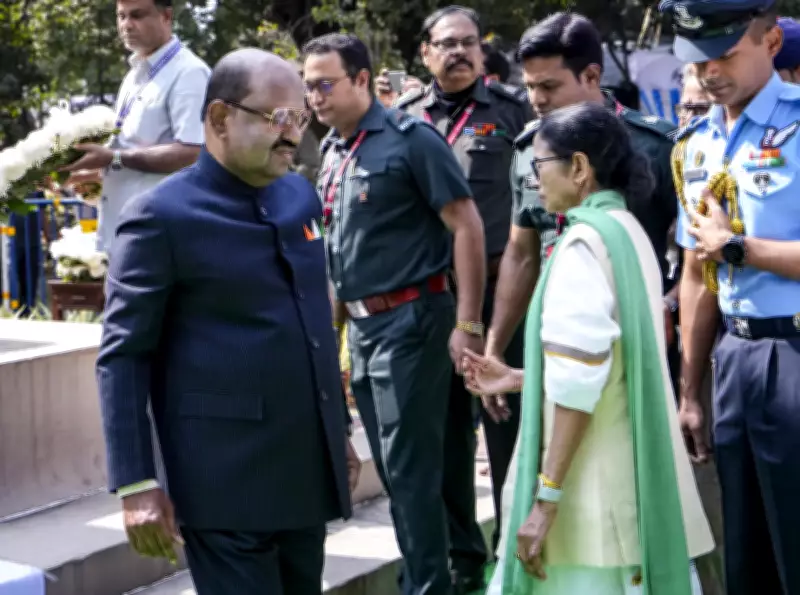
The governor's deliberate brevity was immediately noted by political observers and legislators alike. Following his address, Bose was seen engaging in a rare display of cordiality with Chief Minister Mamata Banerjee, briefly holding hands and speaking with her as he exited the assembly chamber. This gesture prompted sarcastic comments from BJP legislators who could be heard saying "well done" as the governor departed.

Heated Exchanges Follow Governor's Address
The relative calm of the governor's address gave way to intense political sparring during subsequent discussions. Leader of Opposition Suvendu Adhikari immediately criticized Bose's truncated speech, alleging the governor had deliberately curtailed his address to avoid reading sections critical of the Union government. Adhikari specifically pointed to omitted references such as the 'Ghatal Master Plan' and claimed the governor spoke for barely 4.5 minutes before stopping.
Chief Minister Mamata Banerjee vigorously defended the governor's approach, explaining that it was part of legislative convention for the governor to read only the opening portions of the address before formally laying the complete document before the House. Turning her attention directly to Adhikari, Banerjee delivered a blistering retort: "We will win in court and we will win the vote as well. Don't even imagine winning Bengal. You are already in trouble in Delhi. Everyone can see the condition of the so-called double-engine government. You were zero, you are zero and you will remain zero."
The chief minister continued her pointed remarks amid repeated interruptions from the opposition leader, adding: "People will point at you and say — you don't know anything at all. Just keep watching; many will lose their seats this time. Stay well, stay healthy, but remember you will lose many seats."
Broader Assembly Controversies
Beyond the governor's address, the assembly session witnessed additional political confrontations over proposed discussions concerning the Summary Revision (SIR) of electoral rolls. Speaker Biman Banerjee ruled out debate on the issue, noting that the matter remained pending before the Supreme Court. The ruling Trinamool Congress had sought discussion on the SIR process, arguing it had caused widespread harassment of voters ahead of the anticipated 2026 assembly elections.
This West Bengal assembly session thus presented a complex political landscape where the governor's unexpected conciliatory approach contrasted sharply with the intense partisan battles playing out between the ruling party and opposition. While Bose avoided the confrontational path taken by governors in southern states, the underlying political tensions in Bengal remained palpable throughout the proceedings, setting the stage for continued political skirmishes in the lead-up to future electoral contests.