Wagholi Residents Unite to Demand Action on Long-Pending Civic Issues from New Corporators
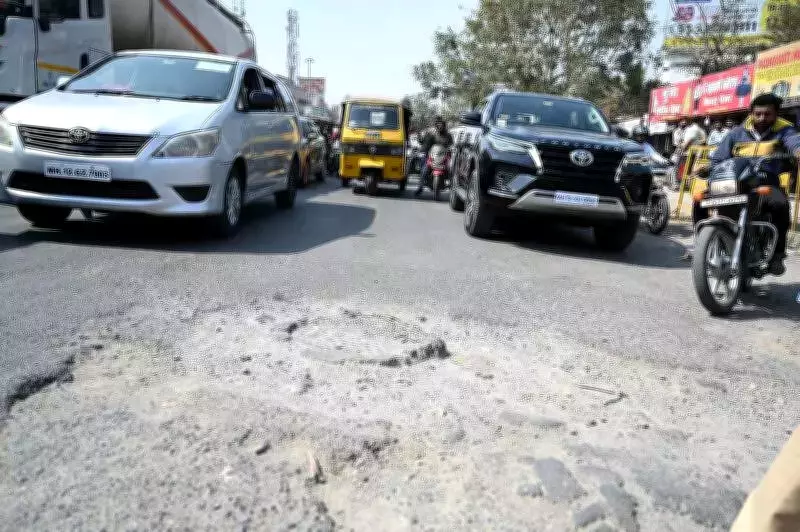
Frustrated by persistent civic neglect, residents of Wagholi and adjacent areas in Pune have launched a collective initiative to address long-standing municipal problems. Key issues include irregular water supply, poor drainage systems, damaged roads, and inefficient garbage management, which have plagued the community for years.
Organized Effort to Compile Civic Complaints
The Wagholi Residents Housing Societies Association is spearheading this movement by gathering specific complaints from housing societies across the region. So far, nearly 50 societies have submitted details of daily challenges, with more expected to join in the coming days. The association aims to create a structured and consolidated document outlining unresolved civic issues to ensure accountability.
Targeting Municipal Representation for Solutions
Wagholi falls under two municipal wards—ward number 3 (Vimannagar–Lohegaon) and ward number 4 (Kharadi–Wagholi)—represented by eight corporators in the Pune Municipal Corporation (PMC). Residents plan to approach these newly elected representatives with their detailed list, demanding resolution within specific timelines. This initiative follows a manifesto released ahead of the civic elections that highlighted Wagholi's challenges, emphasizing the need for swift action.

Common Concerns and Resident Voices
Among the most frequently cited problems are water scarcity, inadequate street lighting, slow progress on road works, illegal constructions, and safety and security issues. Ashish Shinde, a local resident, expressed disappointment over unfulfilled promises from leaders and civic authorities, stating, "Now it is time for the elected representatives to act swiftly. Residents are expecting concrete solutions."
Echoing this sentiment, senior citizen Dilip Satav called for regular meetings between corporators and residents. He noted that Wagholi lacked representation in the PMC for nearly four years, despite being within civic limits, and stressed the need for adequate fund allocation to complete long-pending projects.
Broader Implications and Future Steps
This grassroots effort underscores growing citizen activism in urban areas, as communities take proactive steps to hold local governance accountable. By compiling a comprehensive list of issues and engaging directly with elected officials, Wagholi residents hope to catalyze tangible improvements in infrastructure and services. The initiative serves as a model for other neighborhoods facing similar civic neglect, highlighting the power of collective action in driving municipal responsiveness.