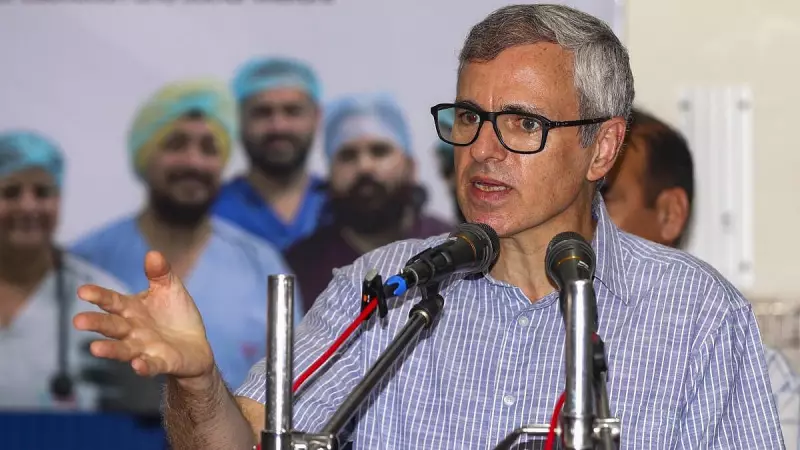
The political atmosphere in Kashmir has intensified as former Jammu and Kashmir Chief Minister Omar Abdullah firmly opposed the potential mandatory implementation of singing Vande Mataram in schools across the valley. The National Conference vice-president articulated his position clearly, stating that while he personally respects the national song, he would not support any compulsory enforcement that violates constitutional rights.
Constitutional Rights Versus Patriotic Expression
Omar Abdullah emphasized the delicate balance between patriotic expression and constitutional freedoms during his statement. The senior political leader clarified that he would not sing Vande Mataram if forced to do so, highlighting the fundamental right to freedom of expression protected by the Indian Constitution. His position stems from concerns about imposing cultural practices in a region with distinct historical and political sensitivities.
The controversy emerged following discussions among certain political circles about making the national song mandatory in educational institutions. Abdullah's response represents a significant political stance from one of Kashmir's most prominent political figures, potentially influencing public opinion across the union territory.

Historical Context and Political Implications
This isn't the first time Vande Mataram has sparked debate in Kashmir. The national song has historically been a subject of political discussion in the region, with varying perspectives on its implementation. Abdullah's current position reinforces his party's consistent approach to such matters, emphasizing voluntary participation rather than compulsory practice.
The National Conference has historically advocated for maintaining Kashmir's unique constitutional position while respecting national symbols. This latest development occurs against the backdrop of ongoing political normalization efforts in Jammu and Kashmir since the abrogation of Article 370 in 2019. The statement signals potential challenges in implementing uniform cultural policies across diverse regions.
Broader Impact on Education and Identity
The controversy touches upon deeper questions about education, cultural identity, and national integration in sensitive regions. Educational institutions often become arenas for such debates, with schools representing microcosms of larger societal discussions. The response from various stakeholders including parents, teachers, and civil society groups will likely shape how this situation evolves.
Political analysts suggest that such debates could influence upcoming political developments in Jammu and Kashmir, particularly as the region prepares for potential elections. The manner in which cultural and educational policies are implemented may affect public perception and political alignment in the union territory.
As the discussion continues, the focus remains on finding a balance between national unity and regional sensitivities, with constitutional provisions providing the framework for resolving such complex issues. The outcome of this particular controversy could set important precedents for similar situations in other regions of India.