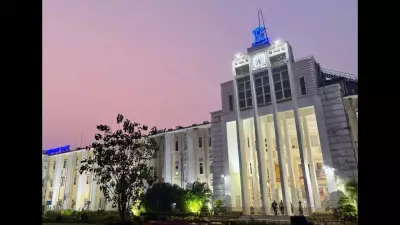
The National Medical Commission (NMC) has ignited a major political controversy in Jammu and Kashmir by withdrawing permission for the MBBS course at the Shri Mata Vaishno Devi Institute of Medical Excellence (SMVDIME). The decision, taken on Tuesday, January 6, 2026, has been sharply criticized by regional political leaders who allege it represents a dangerous 'communalisation of education'.
The Decision and Its Immediate Backdrop
On Tuesday, the NMC formally withdrew the Letter of Permission (LoP) it had granted to the institute on September 8, 2025. This LoP allowed SMVDIME to start an MBBS program for the academic year 2025-26 with an intake of 50 students. The institute had already admitted these students, predominantly Kashmiri Muslims selected based on their National Eligibility-cum-Entrance Test (NEET) ranks.
The withdrawal followed a surprise inspection by an NMC team that arrived in Jammu on January 2. The official reason cited is the institute's non-compliance with minimum essential standards. However, the timing is crucial, as it comes after sustained protests by the Bharatiya Janata Party (BJP) and several right-wing groups in Jammu objecting to the admission of Muslim students to the college.
Political Outcry: 'Punishing the Patient'
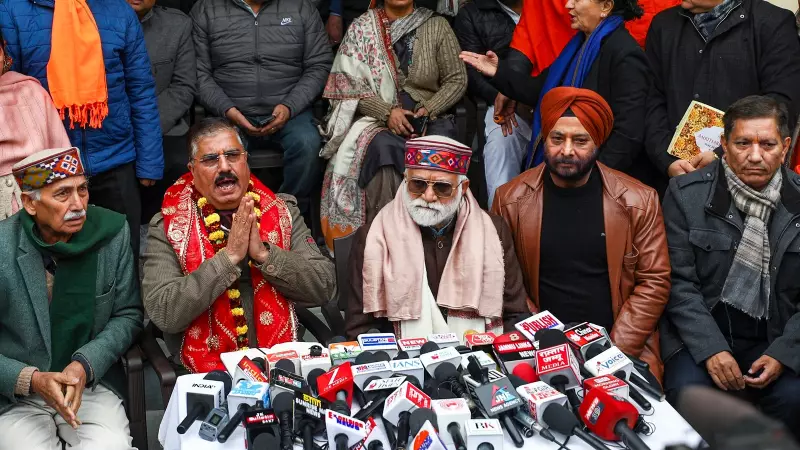
The reaction from Jammu and Kashmir's political spectrum has been swift and severe. Former Chief Minister and Peoples Democratic Party (PDP) president Mehbooba Mufti led the charge, stating the move starkly exposes the damaging consequences of the communalisation of education. "Instead of treating the disease, the patient is being punished for no fault," she told The Indian Express.
Mufti expressed grave concern that this action against a prestigious institution like SMVDIME could set a precedent, jeopardizing the future of hardworking youth across the country. She also pointed a finger at the backdrop of BJP's calls for admissions on religious lines and lamented that the Union Territory's Chief Minister seemed to align with the NMC's decision.
The ruling National Conference also termed the decision unfortunate. Senior leader and minister Javed Rana warned that admitting students based on religion or region is harmful to a healthy society. "They [the national leadership] want to take us back a thousand years, while advanced societies think about 1,000 years of the future," he remarked.
Accusations of a 'Divisive Agenda' and Official Defence
NC spokesperson Imran Nabi Dar was more scathing, calling it a 'dystopia in practice'. He accused the BJP of playing dangerous politics with young careers and claimed the decision was not accidental but a result of a communal mindset and administrative failure. "The gun has been fired from the shoulder of the National Medical Commission, but we know who pulled the trigger and why," Dar stated.
Former Srinagar mayor Junaid Azeem Mattu labeled it a 'regressive step to appease communal voices' in Jammu. He called it a murder of inclusivity, equality, and fairness enshrined in the Indian Constitution, predicting this appeasement would not be the last.
In contrast, the BJP has defended the NMC's action. BJP leader and legislator R S Pathania welcomed the decision as one prioritizing 'quality over quantity'. In a post on X, he asserted that every affected student would be seamlessly transferred to a supernumerary seat in other colleges within the Union Territory, reaffirming a commitment to educational standards.
Broader Implications and the Road Ahead
The revocation of permission four months after the LoP was issued and after students had begun their academic journey has created a crisis of confidence. Political observers see this as a flashpoint that could have severe consequences for the social fabric of Jammu and Kashmir.
The core debate now extends beyond infrastructure compliance. It touches upon fundamental questions about merit, access to education, and whether regulatory bodies can be influenced by majoritarian political agitations. The fate of the 50 admitted students remains the most immediate concern, with the promise of transfers yet to be materialized on the ground.
This incident has undoubtedly opened a new front in the ongoing discourse around education and identity politics in India, with Jammu and Kashmir once again at the epicenter of a national controversy.