Uttar Pradesh Government Streamlines Brick Kiln Regulations to Spur Economic Growth
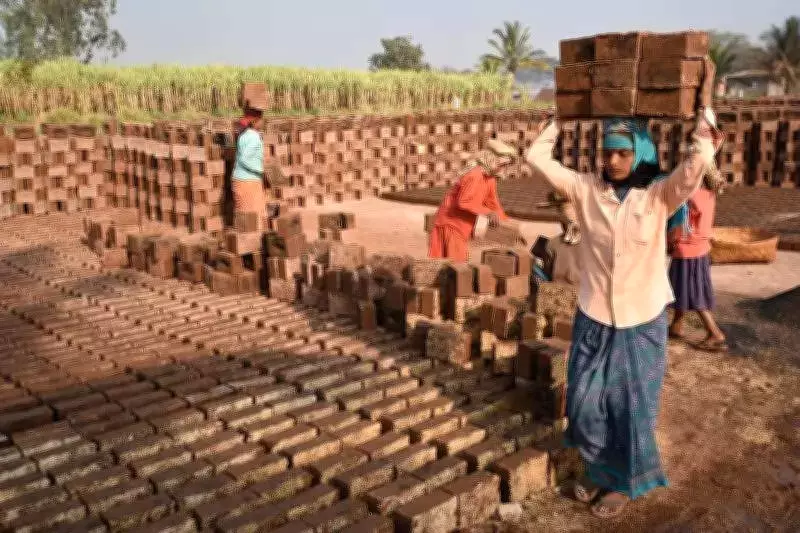
The Uttar Pradesh government has introduced significant simplifications to the rules governing the establishment of new brick kilns across the state. This strategic move is designed to facilitate the creation of employment opportunities for an estimated 30,000 to 40,000 individuals, while simultaneously ensuring a robust and adequate supply of red bricks for the construction sector.
Key Changes in Distance Requirements
Under the previous framework, the UP Brick Kiln (Site Standards for Establishment) Rules of 2012 mandated that no brick kiln could be established within a 1-kilometer radius of any populated area. The newly amended regulations have now reduced this mandatory distance to 800 meters. This adjustment is expected to open up more viable locations for setting up brick kilns, thereby encouraging new investments and expansion in this critical industry.
Legalization of Pre-2012 Brick Kilns
A notable aspect of the revised rules addresses the status of approximately 4,000 brick kilns that were established prior to 2012. These kilns had been operating without a No Objection Certificate (NOC) from the Uttar Pradesh Pollution Control Board, rendering them non-compliant and legally unrecognized under the old regulations.
The updated provisions now offer a pathway to legalization for these pre-existing kilns. They can be considered legal if they are able to provide documented proof, through permissions and NOCs from relevant authorities, that their establishment occurred before 2012. Acceptable documentation may include approvals from:
- The district panchayat
- The commercial tax department
- The mining department
- Other pertinent governmental departments
Economic and Employment Implications
This regulatory easing is poised to have a multifaceted impact on the state's economy. By lowering the barriers to entry and operation, the government aims to:
- Boost Employment: Generate substantial job opportunities in the brick manufacturing sector, directly benefiting thousands of workers.
- Enhance Brick Availability: Ensure a steady and sufficient supply of red bricks, which are essential for construction projects, thereby supporting infrastructure development and real estate growth.
- Formalize the Sector: Bring previously unregulated kilns into the legal framework, promoting better compliance with environmental and operational standards.
The initiative reflects a balanced approach to fostering industrial growth while addressing regulatory concerns, potentially setting a precedent for similar reforms in other states.