Uttar Pradesh Cabinet Greenlights Major Rural Transport Initiative
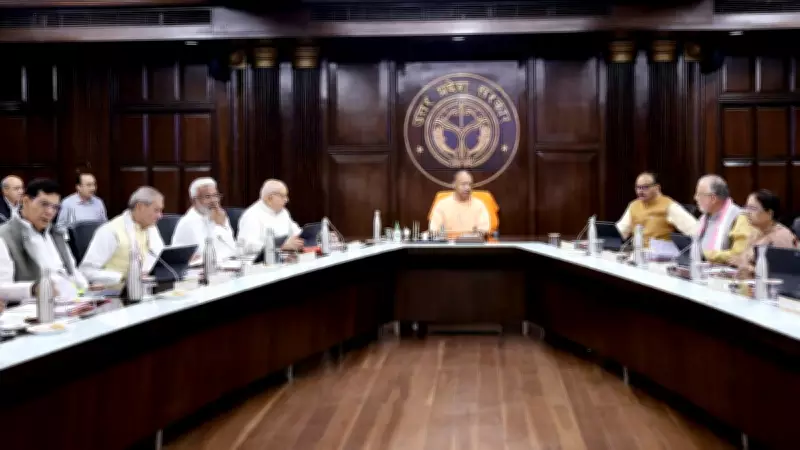
The Uttar Pradesh government has taken a significant step towards improving rural infrastructure with the approval of the CM Gram Transport Scheme. This ambitious project, sanctioned by the state cabinet, is designed to provide direct bus connectivity to more than 59,000 villages across the state by the year 2026.
Enhancing Mobility and Economic Opportunities
The scheme aims to bridge the transportation gap in remote and underserved areas, facilitating easier access to markets, healthcare facilities, educational institutions, and employment centers. By establishing a robust network of bus routes, the initiative seeks to boost economic activities and improve the overall quality of life for rural residents.
This move is expected to reduce travel time and costs for villagers, who often rely on irregular or inadequate transport options. The government plans to implement the scheme in phases, ensuring systematic coverage and efficient resource allocation.
Key Features and Implementation Strategy
The CM Gram Transport Scheme will involve:
- Deployment of a fleet of buses specifically allocated for rural routes.
- Integration with existing public transport systems to create seamless connectivity.
- Focus on last-mile connectivity to ensure even the most remote villages are included.
- Regular monitoring and assessment to address operational challenges and optimize services.
Officials have emphasized that the scheme will prioritize safety, affordability, and reliability, making it a cornerstone of the state's rural development agenda. The approval reflects the government's commitment to inclusive growth and infrastructure modernization.
Expected Impact and Future Prospects
With over 59,000 villages set to benefit, the CM Gram Transport Scheme is poised to transform rural Uttar Pradesh. It is anticipated to:
- Stimulate local economies by improving access to trade and commerce.
- Enhance social inclusion by connecting isolated communities.
- Support educational and healthcare access through better transportation links.
- Contribute to environmental sustainability by promoting public transport over private vehicles.
The successful implementation of this scheme could serve as a model for other states looking to enhance rural connectivity. As the project progresses, it will be crucial to maintain transparency and community engagement to ensure its long-term success and alignment with the needs of the people.