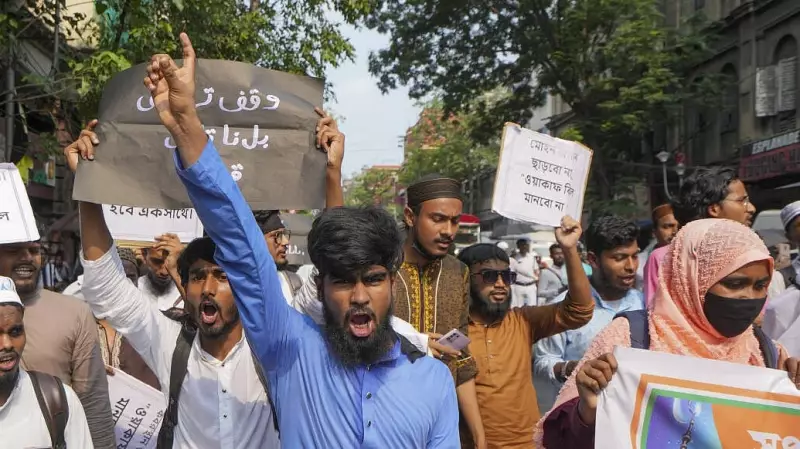
The year 2025 in Uttar Pradesh was significantly shaped by developments concerning religious institutions and practices. Major headlines were dominated by the state government's push for reforms in the management of Waqf properties, a comprehensive overhaul of madrasas, and several disputes related to mosques. These events sparked widespread discussion on governance, community relations, and religious identity in India's most populous state.
Key Policy Shifts: Waqf and Madrasa Reforms
A central theme throughout the year was the administrative scrutiny of religious endowments and educational institutions. The state government initiated a process for reforming the Uttar Pradesh Waqf Board, aiming to bring greater transparency and accountability to the management of Islamic charitable properties. This move was part of a broader agenda to review the governance of such assets.
Parallelly, authorities embarked on a major overhaul of the madrasa system in the state. This involved extensive surveys and assessments of these Islamic seminaries, focusing on their infrastructure, curriculum, and sources of funding. The stated objective was to integrate modern education alongside traditional religious teachings, a policy that generated both support and concern among different sections of society.

Controversies and Tensions: Mosque Disputes and Kanwar Yatra
Alongside policy reforms, the year was also marked by social and legal tensions. Several disputes over mosques made headlines, often related to claims about the historical origins of the structures or their land. These cases, some pending in courts, became focal points for broader debates on history, law, and community sentiment in Uttar Pradesh.
A specific incident that ignited controversy occurred during the months of July and August. As the annual Kanwar Yatra, a significant Hindu pilgrimage, was underway, a group of Hindu activists began inspecting roadside eateries along the pilgrimage route. Their actions, which they stated were aimed at ensuring the sanctity of the Yatra, led to confrontations and a heated public debate about religious freedom, social harmony, and the role of vigilante groups.
Analysis and Looking Ahead
The confluence of these events in 2025 highlights the complex interplay between policy, religion, and society in Uttar Pradesh. The push for institutional reforms in Waqf and madrasas points to a desire for structured change from the state administration. However, the accompanying social disputes, exemplified by the mosque controversies and the Kanwar Yatra incident, reveal the challenges in navigating sensitive communal landscapes.
The outcomes of these initiatives and conflicts are likely to have lasting implications. They will influence the relationship between the state and minority communities, set precedents for the management of religious properties and education, and impact the social fabric of Uttar Pradesh. As the year concluded on December 31, 2025, these issues remained at the forefront of the state's political and social discourse, setting the stage for continued discussion in the coming year.