Lucknow Medical University Authorities to Clear Unauthorized Mazars from Campus
In a significant development in Lucknow, authorities at a prominent medical university have announced plans to remove several unauthorized mazars from the institution's premises. According to reliable sources, these structures have been present on the campus for many decades, with some dating back to a time before the university's establishment or expansion.
Decades-Old Structures Under Scrutiny
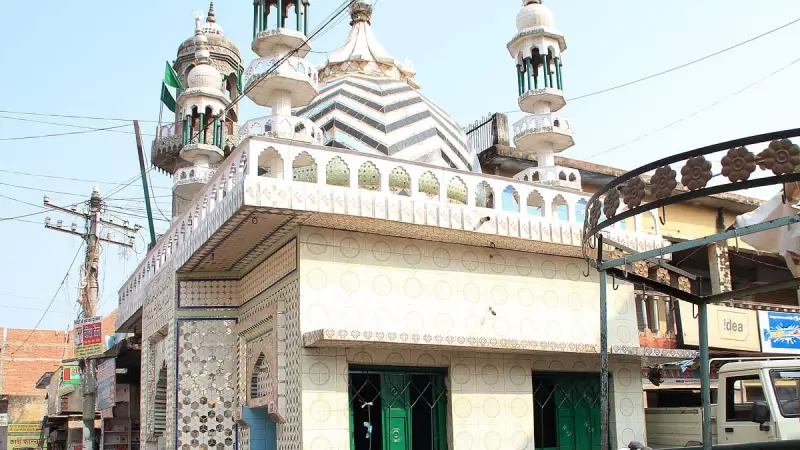
The mazars in question are reported to have existed on the medical university grounds for an extended period, with some sources indicating their presence for over fifty years. These structures, which are typically small shrines or tombs, were never officially sanctioned by the university administration or local authorities. Over the years, they became embedded in the campus landscape, with some even becoming local landmarks.
Interestingly, certain mazars have attracted a substantial number of visitors over time. People from surrounding neighborhoods and beyond would regularly visit these sites for prayers, offerings, or quiet reflection. This unofficial usage created a unique dynamic where religious practices coexisted with academic activities, though without formal approval from the institution.

Administrative Action and Legal Compliance
The decision to remove these mazars stems from a broader initiative to ensure that all structures on university property comply with legal and administrative regulations. University officials have emphasized that the removal is not targeted at any specific religious practice but rather addresses the unauthorized nature of these constructions. The action aligns with policies governing public land use and institutional property management.
Authorities have stated that the process will be carried out with due sensitivity and in accordance with applicable laws. They are coordinating with local administrative bodies to ensure a smooth and respectful removal. The university has also indicated that it will provide appropriate documentation and reasoning for the action to maintain transparency and address any community concerns.
Community Response and Historical Context
The presence of these mazars has historical roots, with some believed to have been established before the medical university was fully developed. Over the decades, as the institution expanded, these structures remained, creating a blend of academic and informal religious spaces. The removal initiative has sparked discussions among students, staff, and local residents about the balance between preserving informal heritage and enforcing institutional regulations.
While some community members express nostalgia or concern over the loss of these long-standing sites, others support the university's move to streamline campus management. The authorities have assured that the removal will not disrupt the university's academic functions and will be conducted during periods of minimal campus activity to avoid inconvenience.
This development highlights ongoing efforts in Uttar Pradesh to regulate unauthorized constructions on public and institutional lands. It also reflects broader trends in urban management where historical informal structures are reassessed in light of modern administrative and legal frameworks.