Stormy Meeting in Ulhasnagar: Corporators Unanimously Reject Steep Water Tax Hike
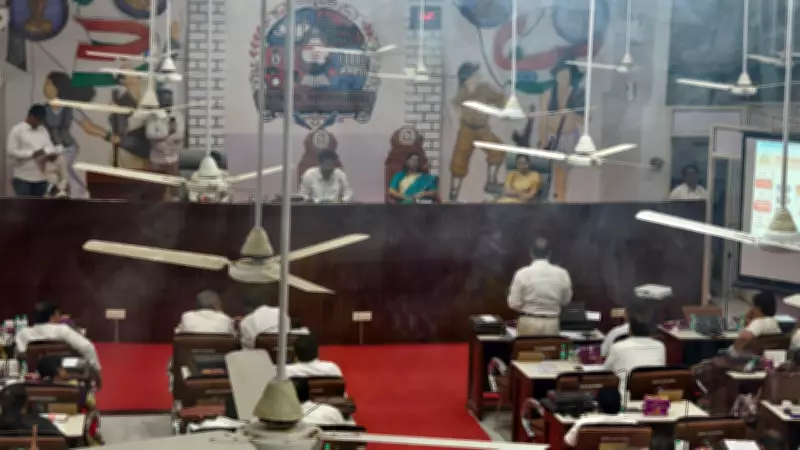
The first general body meeting after the newly elected civic body assumed office in Ulhasnagar turned stormy on Friday, with corporators across all political parties strongly opposing the administration's controversial proposal to significantly increase water tax rates. Following a heated and lengthy debate, the House reached a unanimous decision to approve only a marginal increase while completely rejecting the steep hike that had been suggested.
Controversial Proposal for Substantial Tax Increases
Municipal Commissioner Manisha Awhale had tabled a proposal recommending a substantial revision of water tax rates that would have dramatically increased the financial burden on residents. The administration's plan suggested raising the annual levy for RCC houses from Rs 3,600 to Rs 8,000, representing more than a 120% increase. For sheet-roofed houses, the proposed hike was even more dramatic – from Rs 1,800 to Rs 6,500, nearly tripling the existing rate. Slum and hutment dwellings would have seen their annual water tax increase from Rs 1,200 to Rs 3,000 under the proposal.
Officials also proposed higher charges for property reconstruction, increased built-up area, and various other civic services. The administration estimated that these changes would generate an additional Rs 90.83 crore in annual revenue for the municipal corporation.

Corporators Voice Strong Opposition to Hike
The proposal immediately drew sharp criticism from corporators representing diverse political affiliations. Newly elected members from multiple parties described the water situation in their respective wards as "serious" and expressed frustration with persistent service delivery problems.
BJP corporators Sherry Lund and Kanchan Lund, Congress representative Anjali Salve, Vanchit Bahujan Aghadi's Vikas Kharat, along with Savita Torane and Mayur Mayekar, all voiced strong objections to the proposed tax increases. They cited numerous complaints from constituents about contaminated water, irregular supply, persistent leakages, and poor responsiveness from the water supply department.
"Provide safe drinking water first, then consider a hike," several corporators emphasized during the debate, highlighting the fundamental principle that improved services should precede increased charges.
Administration Faces Tough Questions
Shinde Sena corporator Rajendra Singh Bhullar raised pointed questions about the rising arrears in MIDC's water bills, specifically asking whether monthly payments had been made regularly. His queries put the administration on the defensive, with Executive Engineer Ashok Ghule and Additional Commissioner Kishor Gavas facing intense scrutiny alongside Municipal Commissioner Manisha Awhale.
Adding to the disruptions and procedural challenges, BJP corporator Sanjay Singh raised objections about the meeting's validity. He alleged that the gathering was "invalid" because elections to important posts such as nominated corporators and committee chairpersons had not yet been conducted.
Compromise Reached with Marginal Increases
In a bid to break the deadlock and find a workable solution, Shiv Sena group leader Arun Ashan proposed a compromise that eventually gained unanimous approval. The House agreed to revised annual water tax rates that represented only modest increases compared to the administration's original proposal.
The approved rates include Rs 4,400 for RCC houses (up from Rs 3,600), Rs 2,400 for sheet-roofed houses (up from Rs 1,800), and Rs 1,500 for slum and hutment dwellings (up from Rs 1,200). These increases represent approximately 22%, 33%, and 25% hikes respectively – far below the 120% to 260% increases originally proposed.
The administration's proposal for a steep hike was formally voted down, with corporators insisting that significant improvements in service delivery must precede any major increase in civic charges. The decision reflects growing public frustration with municipal services and establishes a clear expectation that better performance should come before higher taxation.