

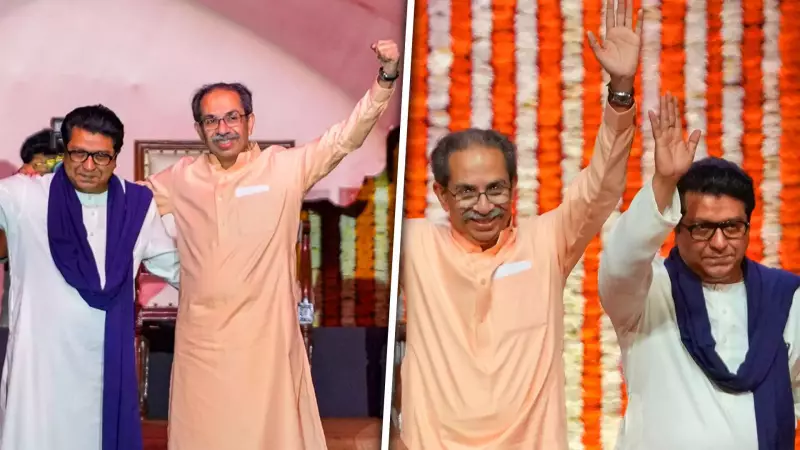
In a seismic shift for Maharashtra's political landscape, cousins Uddhav Thackeray and Raj Thackeray have officially buried a two-decade-old rivalry. The Shiv Sena (Uddhav Balasaheb Thackeray) and the Maharashtra Navnirman Sena (MNS) announced a formal electoral alliance on Wednesday for the crucial upcoming municipal corporation elections.
A Historic Reunion After Two Decades
The alliance, aimed primarily at the Brihanmumbai Municipal Corporation (BMC) and other civic bodies including Nashik, marks the end of a 20-year political separation between the Thackeray cousins. The landmark announcement was made during a joint press conference held in Worli, Mumbai. This public display of unity followed weeks of behind-the-scenes negotiations and symbolic gestures, most notably a joint visit by the leaders to the memorial of the late Shiv Sena patriarch, Bal Thackeray.
Raj Thackeray declared the partnership official for the elections scheduled on January 15. He made a significant promise, stating that if the alliance secures victory, Mumbai would get a mayor from the Marathi community, representing the combined strength of the Sena (UBT) and MNS.

Focus on Marathi Identity and Anti-Incumbent Sentiment
Uddhav Thackeray, expressing strong confidence in the new coalition, stressed that Mumbai would remain with their alliance. The leaders heavily emphasised Marathi identity and regional pride as core campaign themes. They launched a direct appeal to voters and party workers who are dissatisfied with the current ruling coalition in the state—the Eknath Shinde-led Shiv Sena faction and the Bharatiya Janata Party (BJP)—to join their united front.
The rallying cry "Batenge Toh Katenge" (If we decide, we will accomplish) was prominently used, signalling a determined and aggressive campaign strategy. While the formal seat-sharing agreement for the BMC and other corporations was not publicly detailed during the press meet, sources within both parties indicated that a tentative understanding on the distribution of seats in Mumbai has been reached.
Implications for Mumbai's Political Future
This reunion fundamentally alters the dynamics of the Mumbai civic polls, which are often considered more significant than many state assembly elections due to the BMC's enormous budget and influence. The alliance consolidates the Marathi vote bank, which had been fragmented since Raj Thackeray left the Shiv Sena to form the MNS in 2006.
The move poses a formidable challenge to the Shinde Sena-BJP combine, which now faces a united opposition from the original Thackeray-led factions. The success of this alliance hinges on seamless coordination on the ground and the effective transfer of votes between the workers of both parties. The outcome of the January 15 elections will be a major test of this historic reconciliation and could redefine power equations in India's financial capital for years to come.






