The Fading Political Pulse in Tamil Nadu's Historic Colleges
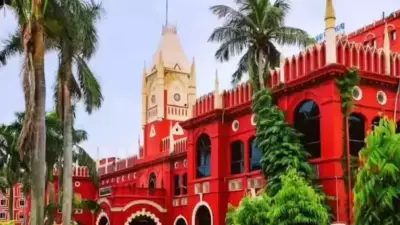
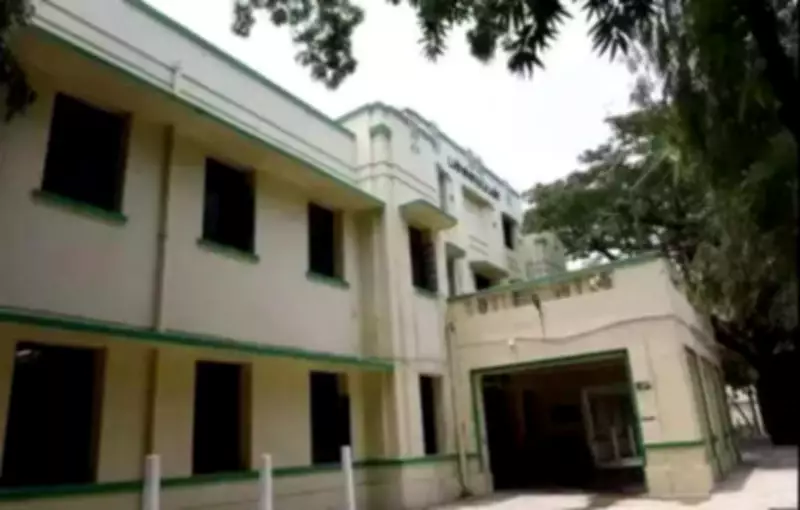
In Chennai, the hallowed halls of Pachaiyappa's College on Poonamallee High Road have long been a crucible for political talent. Legendary chief ministers such as C N Annadurai of Tamil Nadu, Brahmananda Reddy of Andhra Pradesh, and K C Reddy of Mysore (now Karnataka) honed their leadership skills on this very campus. Even in the current election cycle, prominent candidates like law minister Duraimurugan, higher education minister Govi Chezhian, and AIADMK's former minister D Jayakumar trace their roots to this institution.
However, on a recent Thursday afternoon, the campus was eerily quiet, with discussions far removed from the political fervor gripping the state. Students and the academic environment appeared completely untouched by election fever, a stark contrast to the vibrant political activism of the past.
A Statewide Trend of Political Apathy
This phenomenon is not isolated to Pachaiyappa's College. Other once-prominent political nurseries, including Presidency College in Chennai and Annamalai University in Chidambaram, exhibit a similar lack of engagement. These institutions have produced senior leaders like P Chidambaram, Vaiko, and Thol Thirumavalavan, yet today, they stand as silent witnesses to a bygone era of campus politics.

Experts attribute this shift to a combination of factors: a ban on student union elections, an increased focus on skill-based education, and the proliferation of private colleges. S Mirudhula, state president of the Students' Federation of India (SFI), highlighted the disparity with Kerala, where proper campus elections continue to foster youth leadership.
"Only Kerala conducts campus elections effectively, which is why young leaders consistently emerge from there," Mirudhula explained. "In Tamil Nadu, students lack representation in university academic bodies. Hostels have been relocated outside city centers to deter political involvement, and private college students live in fear of punitive actions from management."
The Impact of Election Bans and Changing Dynamics
Retired principal of Presidency College, Pramananda Perumal, noted that student union elections were halted in 2015 following incidents of election-related violence. "Political parties exploited these elections to showcase their strength, leading to unrest. Consequently, we discontinued the practice," he stated. This ban has since been extended to most colleges across Tamil Nadu, effectively stifling formal political engagement on campuses.
Senior politician K S Radhakrishnan, who entered politics through Congress-affiliated student unions at Annamalai University and Madras Law College, reminisced about a time when parties actively nurtured young talent. In the 1960s and 1970s, leaders like Annadurai, Kamaraj, M Kalyanasundaram, and P Ramamurthy actively encouraged students to pursue political careers.
Radhakrishnan pointed to the rise of personality cults, hero worship, and dynasty politics in the 1980s as factors that hindered the entry of new student leaders. "Today, youth wing leaders in many parties are often in their 50s and 60s, reflecting a generational gap," he added.
Broader Societal Shifts and Future Implications
Ramu Manivannan, former head of the Department of Politics and Political Administration at the University of Madras, criticized Dravidian parties for failing to invest in new leadership from colleges and universities. "Despite their origins in student movements, these parties have neglected to cultivate a fresh crop of leaders," he said.
Manivannan further argued that both Dravidian parties and private colleges share responsibility for the erosion of political culture. "This vacuum has led youth to look towards film actors like Vijay as alternative leaders, signaling a significant shift in political allegiances and engagement," he concluded.
The decline of campus politics in Tamil Nadu raises important questions about the future of grassroots leadership and democratic participation in the state. As colleges prioritize academic and professional outcomes over political activism, the traditional pathways for youth into politics may continue to diminish, potentially reshaping the political landscape for generations to come.