In a significant political realignment ahead of the crucial Assembly elections, the Congress-led United Democratic Front (UDF) in Kerala has decided to bring the state unit of the Trinamool Congress (TMC) into its fold as an "associate member." This development, announced on Monday, December 22, 2025, creates a scenario where the TMC and Congress, who are fierce rivals in West Bengal, become partners in the southern state with the common goal of defeating the ruling Left Democratic Front (LDF) government.
Strategic Expansion of the UDF Alliance
The UDF's decision, following a meeting on Monday, extends beyond the TMC. The alliance also announced that two estranged constituents of the BJP-led National Democratic Alliance (NDA) – the Kerala Kamaraj Congress and the Janadhipathya Rashtriya Sabha (JRS) – would be accorded the same "associate member" status. This status is just one step below being a full-fledged alliance partner.
UDF convener Adoor Prakash and Opposition Leader V D Satheesan informed the media that these parties had joined the front without placing any pre-conditions. "They have made the request without putting forward any condition or demand. The UDF discussed their requests twice and decided to make them associate members," Satheesan stated.

Contradiction and Denial from Kamaraj Congress
However, the move was immediately clouded by contradiction. Shortly after the UDF's announcement, Kerala Kamaraj Congress leader Vishnupuram Chandrasekharan publicly denied that his party had quit the NDA. Expressing dissatisfaction with the BJP's treatment of allies, Chandrasekharan clarified his position.
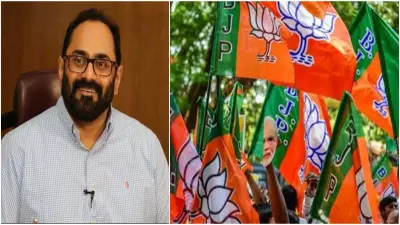
"We are not happy in the NDA. The BJP does not give adequate consideration to its allies... We have not given any letter to the Congress requesting to be made a partner of the UDF. Let them release the letter, if any," he asserted. He added that BJP state president Rajeev Chandrasekhar had almost addressed their grievances.
Satheesan countered this denial, stating that Chandrasekharan had repeatedly met UDF leaders demanding his party be made a partner. "If he is not interested in being an associate member of the UDF, we have no issues," the Opposition Leader said.
Profiles of the New Entrants and Political Calculus
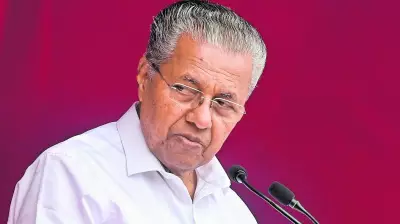
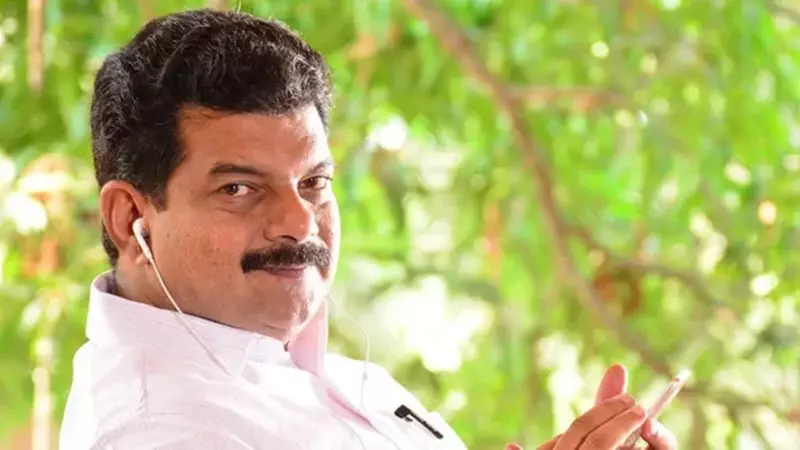
The TMC's Kerala unit is headed by former Independent MLA P V Anvar, who represented the Nilambur seat in Malappuram from 2016. A businessman-turned-politician, Anvar had a fallout with the CPI(M) and Chief Minister Pinarayi Vijayan over issues related to criminal cases involving Muslims in Malappuram. He had also levelled serious allegations against the police. After quitting as an MLA, he formed the Democratic Movement of Kerala before aligning with the TMC. It is understood that the Congress plans to leverage his influence as a campaigner against Vijayan on minority-related issues.
The inclusion of the JRS, floated by Wayanad tribal leader C K Janu, who recently left the NDA alleging neglect, is aimed at strengthening the UDF's appeal among tribal communities.
The potential entry of the Kamaraj Congress, led by Chandrasekharan – who also heads the influential Nadar community organisation Vaikunda Swami Dharma Pracharana Sabha – was seen as a move to secure the Nadar vote bank, particularly strong in Thiruvananthapuram's southern regions like Neyyattinkara and Parassala.
This complex web of alliances and denials underscores the high-stakes political maneuvering in Kerala as parties position themselves for the upcoming electoral battle, creating a fascinating contrast with the political dynamics in West Bengal.