TMC Accuses BJP of Orchestrating Voter Disenfranchisement in West Bengal
The political landscape in West Bengal has been ignited by a serious allegation from the Trinamool Congress (TMC). The party has accused the Bharatiya Janata Party (BJP) of orchestrating a plot to disenfranchise legitimate voters in the state. This controversy centers on the Election Commission of India's (ECI) recent refusal to accept certain letters issued to beneficiaries of government schemes as valid identification documents during the electoral process.
Details of the Alleged Plot
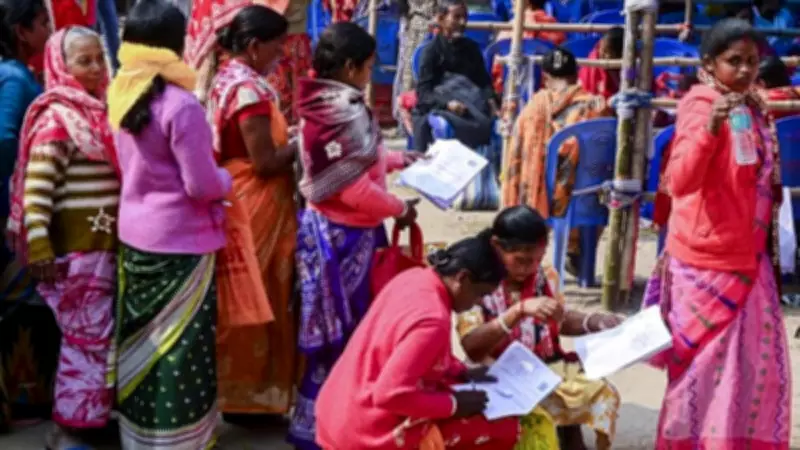
According to TMC officials, the ECI's decision to reject these letters—which are often provided to beneficiaries of state welfare programs—is not an administrative oversight but a deliberate move influenced by the BJP. The TMC claims this action is part of a larger strategy to prevent eligible voters, particularly those from marginalized communities who rely on these schemes, from exercising their democratic rights. The party argues that these letters serve as crucial proof of identity and residence for many citizens who may not possess other formal documents like Aadhaar cards or voter IDs.
The TMC has labeled this as a "systematic attempt" to undermine the electoral process in West Bengal, a state known for its intense political rivalries. They assert that the BJP, aiming to gain an unfair advantage in upcoming elections, is behind this move to reduce voter turnout among segments of the population that traditionally support the TMC. This allegation has added fuel to the already heated political environment, with both parties engaging in a war of words over voter rights and electoral integrity.

Election Commission's Stance and Broader Implications
The Election Commission, for its part, has maintained that its decisions are based on established guidelines to ensure free and fair elections. However, the TMC contends that the refusal to accept beneficiary letters disproportionately affects poor and rural voters, who are more likely to depend on such documents. This issue raises significant concerns about voter accessibility and the potential for disenfranchisement in a democratic system.
Political analysts note that this dispute could have far-reaching consequences for West Bengal's electoral dynamics. If proven true, such a plot could erode public trust in the electoral process and lead to legal challenges. The TMC has called for immediate intervention to reverse the ECI's decision, emphasizing the need to protect the voting rights of all citizens, regardless of their socioeconomic status.
In response, the BJP has denied any involvement, dismissing the allegations as baseless and politically motivated. They argue that the TMC is trying to deflect attention from its own governance issues and is using this as a tactic to rally its voter base. Despite these denials, the controversy continues to simmer, with both sides preparing for a protracted battle over voter eligibility and electoral fairness.
As the situation unfolds, it highlights the critical importance of transparent and inclusive electoral practices in India's vibrant democracy. The outcome of this dispute may set a precedent for how beneficiary documents are treated in future elections across the country.