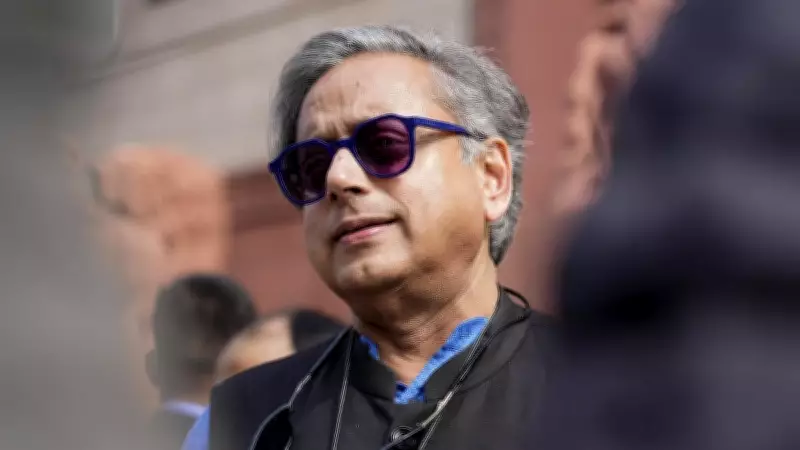
Shashi Tharoor Raises Linguistic Query Over Kerala's Name Change Approval
Congress MP Shashi Tharoor has posed a pointed linguistic question following the Centre's approval of Kerala's name change to 'Keralam' in the Constitution. The move, which aligns the state's official name with its Malayalam pronunciation, has sparked debate over language usage in governmental contexts.
Centre's Approval and Constitutional Amendment
The Union government has given the green light to amend the Constitution to rename Kerala as 'Keralam'. This decision comes after the Kerala Legislative Assembly passed a resolution in 2023 advocating for the change. The amendment aims to reflect the state's name as it is spoken in Malayalam, moving away from the anglicized 'Kerala'.
Tharoor's query centers on the term 'Anglophones' used in official documents related to the name change. He questioned whether this terminology is appropriate, suggesting it might imply a bias towards English speakers or overlook linguistic diversity. Tharoor, known for his eloquence and advocacy for language rights, emphasized the need for clarity and inclusivity in such constitutional matters.
Historical and Linguistic Context
Kerala's name has historical roots in the Malayalam language, where it is traditionally referred to as 'Keralam'. The anglicized version 'Kerala' has been in use since British colonial times. The push for change is part of a broader trend in India to decolonize place names and honor indigenous languages.
The approval process involves amending the First Schedule of the Constitution, which lists all states and union territories. This requires a bill to be passed by Parliament with a simple majority, as it does not affect the boundaries or representation of the state.
Reactions and Implications
Tharoor's intervention has drawn attention to the linguistic nuances of the name change. Supporters argue that it corrects a colonial-era distortion and promotes linguistic pride. Critics, however, raise concerns about practical challenges, such as updating official records and potential confusion.
- Tharoor's query highlights the importance of precise language in legal and constitutional documents.
- The name change is seen as a symbolic step towards recognizing regional identities.
- It may set a precedent for other states considering similar changes.
As the amendment moves forward, discussions around language policy and national identity are expected to intensify. Tharoor's role in this debate underscores his ongoing engagement with issues of culture and governance.