In a significant development that could reshape the political landscape of India's financial capital, three major regional forces have decided to join hands for the upcoming electoral battle in Mumbai. The Shiv Sena (Uddhav Balasaheb Thackeray), the Maharashtra Navnirman Sena (MNS), and the Nationalist Congress Party (Sharadchandra Pawar) have officially announced a coalition to contest the elections together.
A Historic Alliance Forged in Mumbai
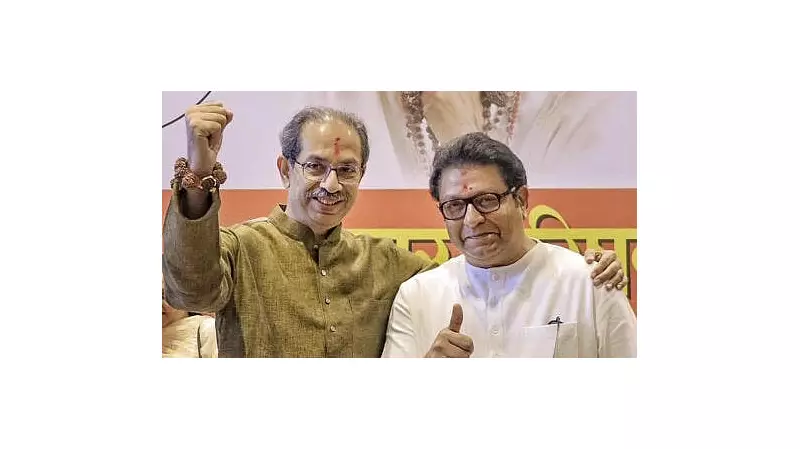
This alliance marks a notable moment in Maharashtra's often-fractious politics, bringing together parties with shared historical roots but divergent paths in recent years. The most striking aspect is the coming together of the Thackeray cousins—Uddhav Thackeray of Shiv Sena (UBT) and Raj Thackeray of the MNS. Their parties, which have often been at loggerheads, have now buried the hatchet for a common political objective. They are joined by the veteran leader Sharad Pawar's faction, the NCP (SP), adding considerable weight and experience to the coalition.
The announcement was made public on 11 January 2026, as reported by journalist Mrityunjay Bose. The decision to unite is seen as a strategic move to consolidate anti-incumbent votes and present a formidable front against their common rivals in the crucial Mumbai region.
Strategic Implications for Maharashtra Politics
This tripartite pact is expected to have far-reaching consequences. Mumbai, with its dense concentration of assembly and parliamentary constituencies, is a prize every party covets. By avoiding a split in their voter bases, the alliance aims to maximize its seat count. The Shiv Sena (UBT) and the NCP (SP) are already part of the opposition Maha Vikas Aghadi (MVA) at the state level, and this Mumbai-specific understanding with the MNS strengthens their position locally.
The move is also being viewed as an "Adanikaran of India" or a reconfiguration of political forces, signifying a new phase of coalition politics where regional satraps are crafting hyper-local strategies for maximum gain. The combined strength of these parties could pose a serious challenge to the ruling Bharatiya Janata Party (BJP) and its allies in the city.
Road Ahead and Potential Challenges
While the alliance announcement is a powerful statement, its success will depend on several factors:
- Seat-sharing formula: Amicably distributing coveted constituencies among the three partners will be the first major test.
- Grassroots coordination: Ensuring workers from all parties campaign cohesively on the ground.
- Ideological synergy: Presenting a unified policy agenda to the electorate despite differing party manifestos.
If executed effectively, this coalition has the potential to alter the electoral math in India's most populous city. The political discourse in Maharashtra is now firmly focused on Mumbai, with all eyes on how this new alliance campaigns and who it nominates. The 2026 elections are set to be a direct contest between this united opposition front and the ruling National Democratic Alliance (NDA).