In a landmark initiative aimed at fostering unity and communal harmony, the Telangana government has unveiled plans to develop a unique multi-faith complex along the banks of the Musi river in Hyderabad. The project envisions the construction of four major religious structures – a Gurudwara, a mosque, a church, and a Shiva temple – side by side.
A Blueprint for Unity Along the Musi
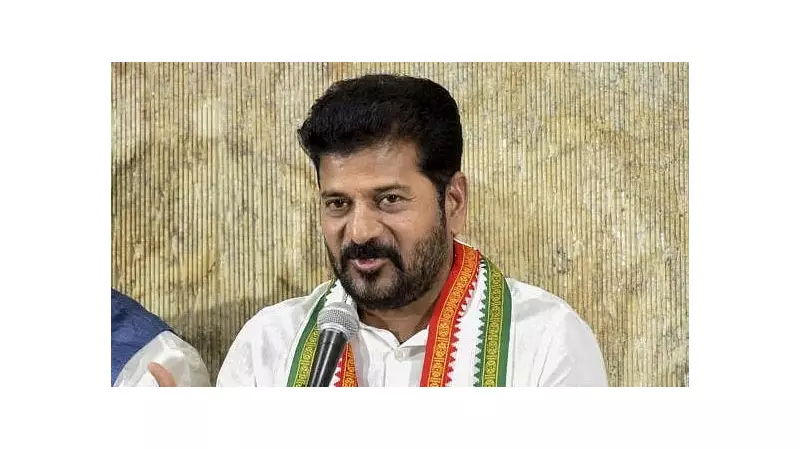
Chief Minister Revanth Reddy made the significant announcement, highlighting the government's commitment to secular values and social cohesion. The project is conceptualized as a physical embodiment of India's pluralistic ethos, where diverse faiths can coexist peacefully. The strategic location along the Musi river, which flows through the heart of Hyderabad, is expected to transform the area into a symbol of unity and a potential hub for interfaith dialogue and tourism.
Next Steps and Legislative Consultation
The Chief Minister stated that once the Detailed Project Report (DPR) is finalized, it will be presented to all Members of the Legislative Assembly (MLAs) for their valuable suggestions and feedback. This consultative approach underscores the government's intent to involve public representatives in shaping this sensitive and important project. The announcement was made public on 02 January 2026, as reported by journalist SNV Sudhir.
Implications and Expected Outcomes
This ambitious project is more than just an urban development plan; it is a strong socio-political statement. By placing places of worship from four major religions in close proximity, the Telangana government aims to:
- Promote daily interaction and mutual respect among followers of different faiths.
- Create a shared public space that celebrates India's diverse spiritual heritage.
- Set a precedent for other states in designing inclusive urban landscapes.
- Boost local infrastructure and tourism around the Musi riverfront.
The success of this initiative will depend heavily on meticulous planning, inclusive dialogue, and sustained community engagement. If executed with sensitivity, the Musi river multi-faith complex could become a national model for religious harmony and integrated development.