The Telangana Legislative Assembly has taken a firm stand against the central government's move to replace the Mahatma Gandhi National Rural Employment Guarantee Act (MGNREGA). In a significant political development, the state assembly passed an official resolution condemning the proposed new legislation.
Chief Minister Leads the Charge
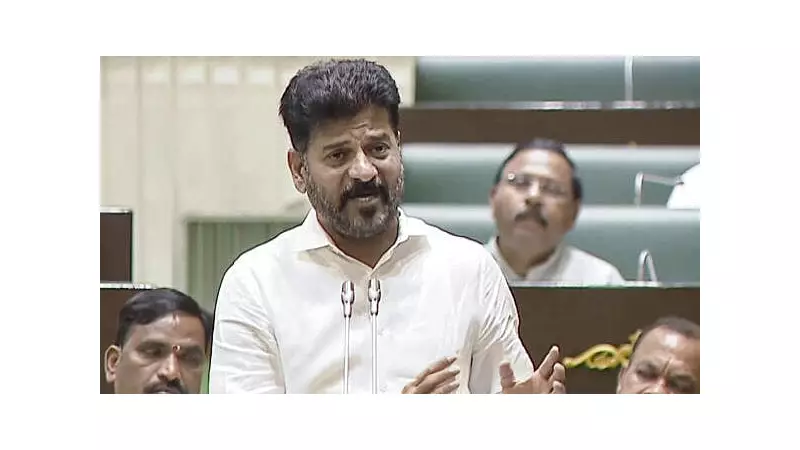
Moving the resolution on the floor of the house, Chief Minister A. Revanth Reddy launched a sharp critique of the Union government's proposed law. He argued that the replacement scheme would have severe negative consequences for the most vulnerable sections of society. The Chief Minister stated that the new law adversely affects the rights of the poor and women workers, who form the backbone of the rural workforce and depend on the employment guarantee for their livelihood.
Federal Structure and Financial Burden Under Threat
Beyond the social impact, CM Reddy emphasized a critical constitutional concern. He accused the central government of undermining the federal spirit of the Indian polity. The resolution highlighted that the proposed changes would impose an additional financial burden on state governments. This, the assembly argued, disrupts the fiscal balance between the centre and the states, forcing states to bear costs for a scheme originally designed and funded as a central initiative.
The resolution, passed on January 2, 2026, represents a formal objection from the state legislature. It signals Telangana's readiness to confront the central government on policies it deems detrimental to its interests and the welfare of its citizens.
Implications and Next Steps
This action by the Telangana Assembly is more than symbolic. It sets the stage for potential political and legal challenges to the central law. The state's objections are centered on three core issues:
- Protection of Workers' Rights: Safeguarding the employment guarantee for rural poor and women.
- Fiscal Federalism: Opposing unfunded mandates that strain state budgets.
- Legislative Authority: Questioning the unilateral replacement of a landmark social security law.
The move underscores the ongoing tensions in centre-state relations and places the future of India's flagship rural job scheme at the center of a major political debate.