Finance Commission Grants Trigger Fresh Dispute in Telangana's Gram Panchayats
The distribution of Finance Commission grants to gram panchayats in Telangana, following the December 2025 rural local body elections, has ignited a significant conflict. This dispute pits former sarpanches, who are awaiting reimbursement for pending bills, against newly-elected sarpanches who require funds to initiate development projects in their villages.
Centre Releases Grants, Sparks Immediate Controversy
The central government recently commenced the release of grants after elected representatives assumed office in village panchayats. However, this move has not brought relief but rather intensified existing tensions. Former sarpanches are now demanding that the state government prioritize clearing their outstanding bills before allocating funds to new office-bearers.
Survi Yadaiah Goud, founder-president of the Telangana Sarpanchula Sangham joint action committee, revealed to media that bills totaling approximately ₹530 crore for works executed during the tenure of former sarpanches remain unpaid. This substantial amount represents a significant financial burden on individuals who personally funded critical civic projects.
Former Sarpanches Detail Financial Strain and Unpaid Bills
According to Goud, many sarpanches undertook essential works using their own money under pressure from district and mandal authorities, as well as panchayat secretaries. These officials would issue show-cause notices if projects were not completed, assuring that government funds would eventually be released to reimburse expenses, even if delayed.
The civic works included:
- Sanitation and cleanliness initiatives
- Payment of streetlight and water bills
- Drainage repairs and maintenance
- Construction of Bathukamma ghats and Vaikunta Dhamams
- Laying approach roads to temples
- Various other emergency infrastructure projects
The previous BRS government had cited financial strain from the COVID-19 pandemic as justification for not releasing these funds. Despite this, sarpanches continued executing works, paying sanitation workers' salaries, and maintaining civic infrastructure until their tenure concluded in February 2024.
Personal Stories Highlight Widespread Financial Impact
Rajitha Sanaboina Sudhakar, former sarpanch of Aepur gram panchayat in Athmakur (S) mandal of Suryapet district, shared her experience: "I executed works for constructing a Bathukamma ghat, a sports arena, arranged transport facilities for pregnant women, and many other civic works, in addition to paying salaries of sanitation workers. As of today, nearly ₹12 lakh worth of my bills remain pending payment from the government. These works were executed between 2019 and February 2024."
Another former sarpanch, Keshaboina Mallaiah Goud of Patharlapahad panchayat in Suryapet district, reported spending over ₹12 lakh on development works while still awaiting reimbursement. Even JAC president Survi Yadaiah Goud confirmed that bills worth ₹13 lakh were pending in his own case, illustrating the widespread nature of this financial burden.
Government Response and Future Funding Concerns
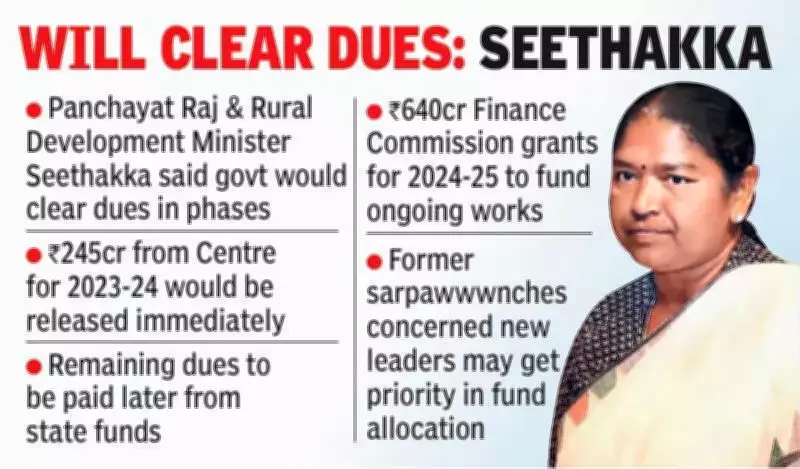
Panchayat raj and rural development minister Seethakka addressed the issue, stating that the government would clear the dues in phases. She announced that ₹245 crore received from the Centre for 2023-24—when the tenure of former sarpanches ended—would be released immediately. The remaining amount would be paid later from state funds.
Officials indicated that another ₹640 crore in Finance Commission grants for 2024-25 would be utilized to pay for works executed during that financial year. However, former sarpanches express concern that the Congress government might prioritize newly-elected sarpanches for development funds, potentially leaving them waiting indefinitely for reimbursement of expenses incurred during their tenure.
This situation creates a complex challenge for rural governance in Telangana, balancing the legitimate claims of former representatives against the development needs of newly-elected officials and their communities.