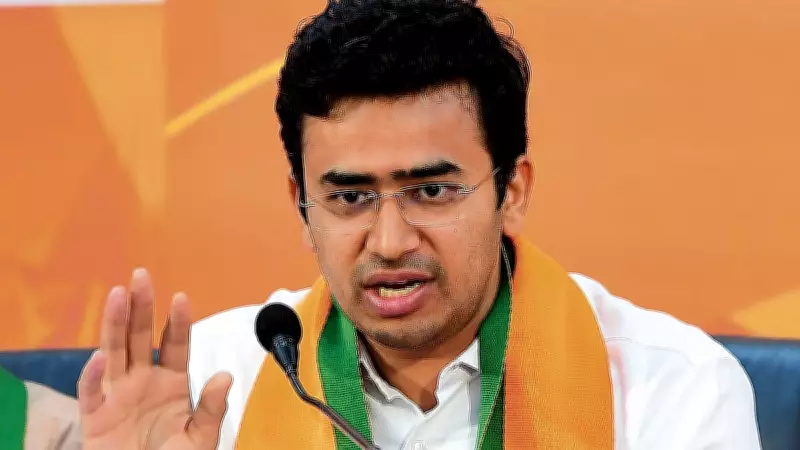
Bharatiya Janata Party MP Tejasvi Surya has made a significant intervention regarding the Bengaluru Metro, popularly known as Namma Metro, by demanding the immediate reconstitution of its Fare Fixation Committee (FFC). This move comes amidst ongoing discussions and public concern over proposed fare increases for the city's rapid transit system.
Key Demand for Committee Restructuring
In a formal appeal, Surya has called for a complete overhaul of the current Fare Fixation Committee, which is responsible for determining and reviewing the metro fare structure. The MP emphasized that the existing committee needs to be reconstituted to ensure greater transparency, public representation, and fairness in the fare-setting process. This demand highlights growing scrutiny over how metro fares are calculated and approved in India's tech capital.
Immediate Halt to Proposed Fare Hike
Alongside his call for committee restructuring, Tejasvi Surya has urgently requested that the current proposal for a metro fare hike be put on hold. He insists that any decision regarding fare increases should be deferred until the newly constituted Fare Fixation Committee has had the opportunity to review the matter thoroughly and make its recommendations. This stance aims to protect commuters from potential financial strain while a more robust and accountable committee is established.

Context and Implications for Bengaluru
The Bengaluru Metro Rail Corporation Limited (BMRCL) operates Namma Metro, a critical public transportation network in one of India's most populous and congested cities. Fare adjustments are a sensitive issue, directly impacting millions of daily commuters, including students, professionals, and low-income groups. Surya's intervention reflects broader political and public engagement with urban infrastructure governance and affordability.
By pushing for a reconstituted FFC, the MP is advocating for a process that potentially includes diverse stakeholders, such as consumer rights groups, urban planning experts, and commuter representatives. This could lead to more balanced fare decisions that consider both the operational costs of the metro and the economic realities of its users.
Political and Administrative Dimensions
Tejasvi Surya, a prominent BJP leader representing Bengaluru South, has positioned this demand within the framework of accountable governance and public welfare. The call to withhold the fare hike proposal until a new committee is in place underscores a strategic approach to policy intervention, prioritizing procedural integrity over hasty implementation. This development may also intersect with state-level politics in Karnataka, where infrastructure management remains a key electoral issue.
As the situation unfolds, all eyes will be on the BMRCL and relevant authorities to respond to these demands. The outcome could set a precedent for how metro fare regulations are handled in other Indian cities, emphasizing the need for transparent and participatory mechanisms in public transportation pricing.