A fresh political storm has engulfed Andhra Pradesh, centering on the future of ten new medical colleges in the state. The ruling Telugu Desam Party (TDP) and the opposition YSR Congress Party (YSRCP) are locked in a fierce debate over whether the government's plan to use a Public Private Partnership (PPP) model constitutes privatisation of vital public assets.
The Core of the Controversy: PPP or Privatisation?
The roots of the current conflict lie in the previous YSRCP government's sanction of 17 new medical colleges for the 2020-21 academic year. While six began operations in 2023, the status of the remaining institutions became a point of contention after the N Chandrababu Naidu-led coalition government, comprising the TDP, Jana Sena Party (JSP), and BJP, assumed power in 2024.
To accelerate the completion of ten colleges located in Adoni, Madanapalli, Markapuram, Pulivendula, Penugonda, Palakollu, Amalapuram, Narsipatnam, Bapatla, and Parvathipuram, the new administration introduced the PPP framework. This model allows private entities to develop infrastructure on the campuses. The college in Piduguralla, Palnadu district, is being developed solely by the government and is in an advanced stage.

YSRCP's Allegations: Selling Out Public Health?
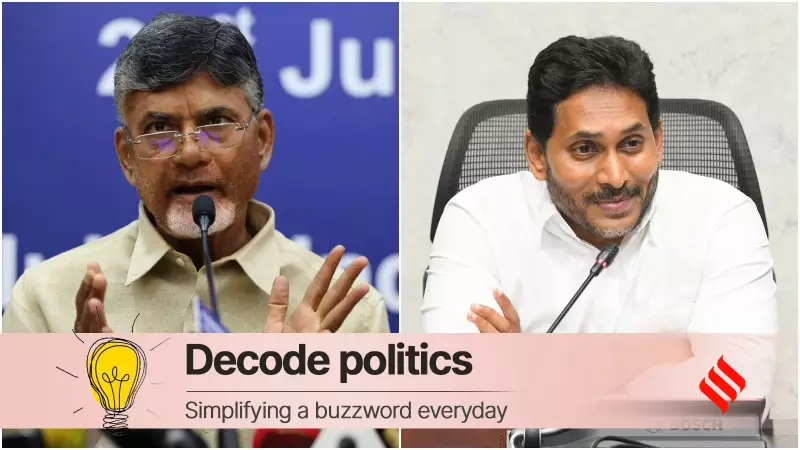
Leader of the Opposition, Y S Jagan Mohan Reddy, has launched a fierce campaign against the move. The YSRCP claims to have collected over 1 crore signatures in protest, arguing the PPP model is a backdoor to full privatisation. Reddy warned that this would snatch away quality medical education and care from the poor.
"If this model continues, the state will end up paying salaries of private medical college teachers from the government exchequer," Reddy stated on Thursday, December 19, 2025. The party organized protests across multiple districts including Visakhapatnam, Srikakulam, Anantapur, Tirupati, and Guntur.
Adding weight to the argument, Dr. Sidiri Appala Raju, YSRCP Doctors’ Wing state president, clarified that parliamentary committee recommendations were being distorted. He emphasized that committees suggested encouraging private participation for new capacity, not handing over constructed government colleges. "If that were the intent, wouldn't institutions such as AIIMS or IITs be handed over to private players?" he questioned, warning of disastrous consequences for the poor during future health crises.
Government's Defence: A Model for Faster Development
The TDP government has categorically dismissed the allegations as a misinformation campaign. In official statements, it clarified the fundamental difference between PPP and privatisation. Under PPP, the government retains ownership of all assets, including the medical colleges and hospitals, while private partners invest, build, and operate them for a fixed contract period. The government maintains control over academics, healthcare standards, and fee structures.
The administration has assured that 50% of seats will be under the government quota with applicable reservations, and fees for these seats will be capped. This, they argue, safeguards access for economically disadvantaged students.
In Parliament, TDP MP Kesineni Sivanath countered the YSRCP's stance on Monday, December 16, 2025. He accused the previous government of sabotaging medical education, alleging that against a requirement of Rs 85,000 crore, the YSRCP spent less than Rs 1,000 crore in four years, pushing the project timeline to an estimated 15 years. He defended the PPP model as a "credible, nationally approved" framework endorsed by the National Medical Commission and the Parliamentary Standing Committee on Health, necessary to complete the long-pending projects.
The standoff highlights a deep ideological divide on the role of private capital in public infrastructure, setting the stage for a prolonged political battle in Andhra Pradesh.