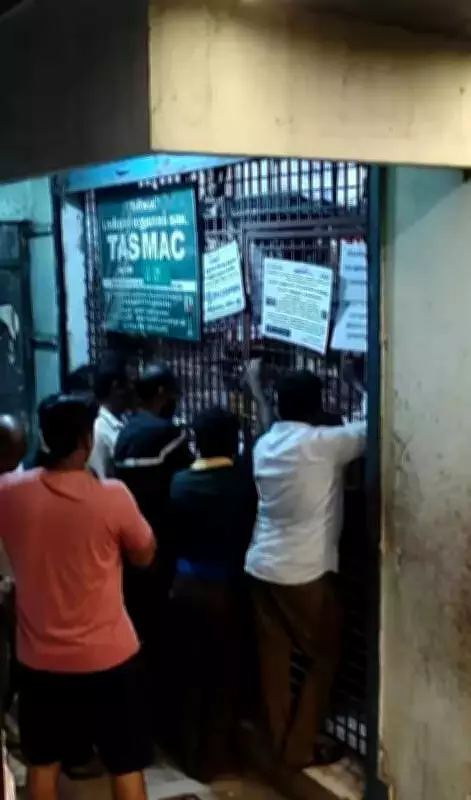
Tasmac Overhauls Empty Bottle Buyback Scheme, Transfers Responsibility to Contractors
In a significant move to resolve ongoing disputes, the Tamil Nadu State Marketing Corporation (Tasmac) has officially shifted the operational burden of its contentious empty bottle buyback scheme away from its salesmen and supervisors. The corporation has mandated that contractors deploy dedicated staff at every liquor outlet to handle the collection, packaging, storage, and transportation of empty bottles. This decision comes after widespread resistance from workers who cited excessive workload and logistical challenges.
New Operational Framework for Bottle Collections
According to insider sources, Tasmac has altered tender conditions to require contractors to hire specific personnel for bottle management. These staff members will be responsible for collecting empty bottles from customers, ensuring labels remain intact, and managing all related tasks. Salesmen will now only need to update the numbers in the system at the end of each business day, significantly reducing their daily responsibilities. Additionally, contractors must secure separate storage space near outlets, as many shops lack adequate room for bottle accumulation.
An official communication detailing these changes is expected to be released this week, formalizing the new procedures. This adjustment aims to streamline operations and comply with the Madras High Court's order to implement the buyback scheme across all districts.

Background of Worker Protests and Scheme Deferment
The empty bottle buyback scheme, which requires liquor buyers to pay an extra ₹10 over the MRP and receive a ₹10 reimbursement upon returning the bottle, faced massive opposition from Tasmac employees. Workers argued that the additional tasks—such as sticking labels, collecting bottles, and processing reimbursements—were overwhelming alongside their regular duties. This led to protests, including the closure of liquor shops in Chennai and parts of Tiruvallur districts on January 6, when the scheme was initially slated for introduction.
As a result, the scheme was deferred for Chennai, while other districts were covered by December last year. Notably, Chennai and Tiruvallur east areas alone account for the sale of approximately 3.5 lakh liquor and beer bottles daily, highlighting the scale of the challenge.
Implications and Future Outlook
By transferring responsibilities to contractors, Tasmac aims to alleviate worker grievances and ensure the scheme's successful implementation. This move is expected to enhance efficiency, reduce operational bottlenecks, and foster better compliance with environmental and regulatory standards. The corporation's proactive approach underscores its commitment to balancing court mandates with practical workforce management, potentially setting a precedent for similar initiatives in other regions.