

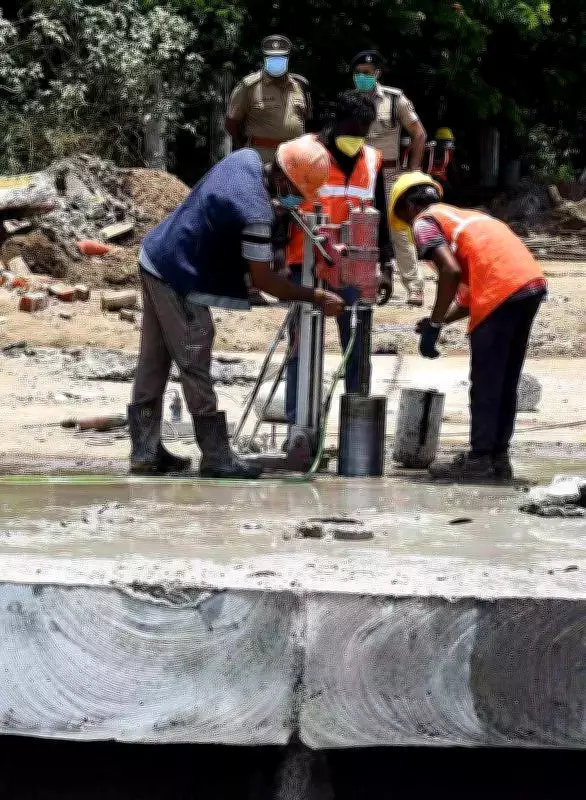
Tamil Nadu Officials in Pre-Election Tender Rush for Civic Upgrades
Residents across Tamil Nadu may soon notice a flurry of repair activity in their neighborhoods, as long-neglected potholed roads and damaged footpaths are suddenly prioritized for fixes. This sudden urgency stems from city civic officials embarking on a massive tender-awarding spree, strategically timed just weeks before the anticipated announcement of the Model Code of Conduct for upcoming elections.
Race Against Dual Deadlines
Officials are under intense pressure to meet two critical deadlines: the financial year-end and the imminent enforcement of the Model Code of Conduct, expected within the next two weeks. This compels them to award tenders and utilize funds allocated for the current fiscal year. The haste is unmistakable, with most tenders featuring unusually narrow bid windows of just five to thirteen days, many closing by February 19th.
In total, various state departments have fast-tracked civic projects valued at over 4,000 crore. These encompass a wide range of infrastructure, including roads, bus shelters, stormwater drains, and lake enhancements.

Breakdown of Tender Volumes
- The municipal administration department has floated 1,023 tenders.
- The rural development department accounts for 970 tenders.
- The power department is managing 890 projects.
- The Greater Chennai Corporation (GCC) has issued 345 tenders, with 248 of these announced in February alone.
Familiar Projects Finally Moving Forward
For many residents, these projects represent long-overdue improvements. Key initiatives include a 200-crore road relaying package targeting core city zones, a 70-crore footpath revamp across six zones, renovations to the historic Pitti Theagaraya Hall, and a planned 52MLD intake tower at Puzhal Lake in Madhavaram to boost rainwater storage capacity.
Deputy Mayor Mahesh Kumar explained that these projects largely originate from councillor demands for ward-level enhancements. "There aren't many mega projects, but mostly walkways, roads, and key building renovations. Bigger proposals will be part of the GCC budget next week," he stated.
Procedural Hurdles and Political Timing
Once the Model Code of Conduct takes effect, no new work can be announced or executed until after the election results in May. However, even if tenders close this month, significant procedural steps remain. Former municipal administration department additional secretary D S Sivasamy highlighted that technical scrutiny, selection of the lowest-priced qualified bidder (L1), council approvals, and government sanction will all require time.
"If the closing date of a tender is February 20, they have to open the bids, choose L1, and then the tender award must be placed before the standing council and the GCC council. For state government projects, it must go to the secretary for sanction. Only after all this will physical work commence. Work orders will follow, meaning officials might claim 'work has commenced,' but actual on-ground activity likely won't start until June," Sivasamy elaborated.
Allegations of Irregularities and Funding Concerns
On February 3rd, anti-corruption NGO Arappor Iyakkam filed a complaint with the chief secretary regarding 80 projects worth 2,000 crore floated by the state highways department without allocated funds. The complaint cited government orders indicating administrative sanction was granted in just three days without financial release, with the highways secretary providing an 'advance bank of sanction' from the 2026-2027 budget.
Convenor Jayaram Venkatesan questioned the rationale: "If you're going to release money from next year's budget, which can only be presented by the new government, how can the current administration promise advance funding and roll out projects? What's the hurry?"

Skepticism Over Actual Implementation
The rush to notify tenders does not guarantee that work will begin or conclude before the polls. Civic activist R Ramesh from Royapuram cautioned, "Floating tenders doesn't mean work will begin. People have to wait to see works actually happen on the roads." This sentiment underscores a broader skepticism about whether these pre-election announcements will translate into tangible improvements for residents, or merely remain on paper until the political climate settles post-elections.





