Tamil Nadu 2026 Assembly Elections: Mukulathor Vote Fragmentation Intensifies
As the Tamil Nadu Assembly elections of 2026 approach, a critical electoral dynamic is unfolding with the Mukulathor community's voting patterns. Traditionally a key support base for certain political factions, this community is now witnessing a significant split in loyalties, posing a substantial risk to the AIADMK-BJP alliance's carefully laid plans.
The Shifting Loyalties of the Mukulathor Community
Recent political developments indicate that a large segment of the Mukulathor electorate is moving away from its historical affiliations. Instead, voters are increasingly aligning with T.T.V. Dhinakaran's Amma Makkal Munnetra Kazhagam (AMMK) and the Dravida Munnetra Kazhagam (DMK). This shift represents a dramatic change in the state's political landscape, potentially altering the outcome in numerous constituencies.
The AIADMK-BJP alliance had heavily relied on consolidating the Mukulathor vote as part of its broader strategy to secure a majority in the 234-seat Tamil Nadu Legislative Assembly. However, with votes now dispersing among multiple parties, this gamble appears increasingly precarious. Political analysts suggest that the fragmentation could lead to unexpected results in key battleground regions.

Implications for Major Political Players
The DMK, led by M.K. Stalin, stands to gain significantly from this realignment, potentially strengthening its position in the southern districts where the Mukulathor community holds considerable influence. Simultaneously, AMMK's growing appeal among these voters could challenge both the ruling party and the opposition alliance, creating a three-way contest in several constituencies.
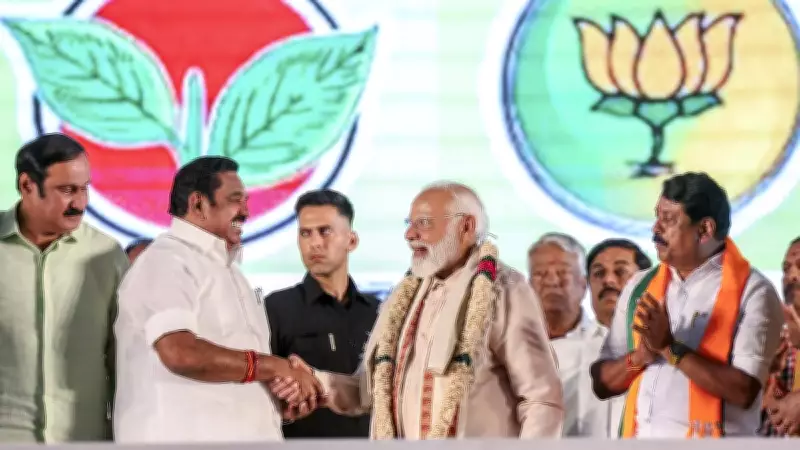
For the AIADMK, under the leadership of Edappadi K. Palaniswami, and its ally the Bharatiya Janata Party (BJP), this development necessitates urgent strategic recalibration. The alliance must now devise alternative approaches to mitigate potential losses and maintain its competitive edge in the upcoming polls.
Factors Driving the Political Realignment
Several factors are contributing to this electoral shift:
- Dissatisfaction with existing political representation and unfulfilled promises
- Strategic outreach by AMMK and DMK targeting specific community concerns
- Changing socio-economic aspirations within the Mukulathor community
- Local leadership dynamics and candidate selection processes
This evolving scenario underscores the volatile nature of Tamil Nadu politics, where community-based voting blocs can dramatically transform electoral equations. As campaigning intensifies in the coming months, all major parties are expected to intensify their efforts to woo the Mukulathor electorate through targeted promises and grassroots mobilization.
The final outcome of the 2026 Tamil Nadu Assembly elections may well hinge on which party successfully navigates this complex web of shifting allegiances and emerging political preferences.