Tamil Nadu's 2026 Assembly Election: A Deeper Look at the Political Landscape
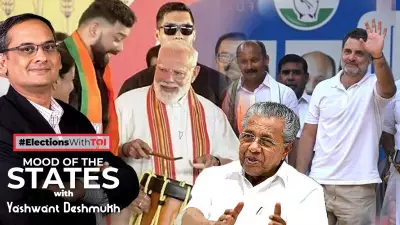
The upcoming 2026 Assembly election in Tamil Nadu is widely perceived as a three-way contest, but this surface-level analysis barely scratches the surface of the complex dynamics at play. While the electoral battle may involve three major political forces, the real story lies in the profound shifts occurring beneath the numbers, driven by evolving voter preferences and strategic realignments.
The Illusion of a Simple Three-Way Race
On paper, the 2026 election appears to pit the incumbent party against two key opposition blocs, creating a classic triangular contest. However, this framework oversimplifies the intricate web of alliances, regional loyalties, and ideological battles that define Tamil Nadu politics. The focus on a three-way split often masks the nuanced choices voters are making, which are influenced by factors such as governance performance, economic issues, and social justice concerns.
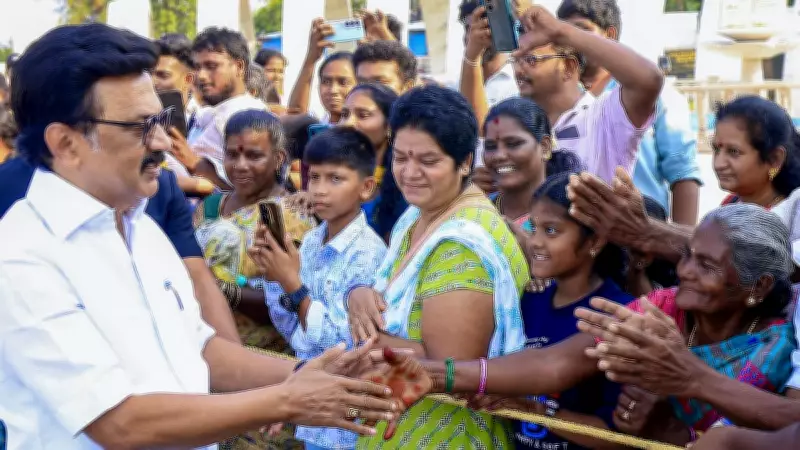
Beyond the Headlines: The election is less about the arithmetic of seat shares and more about the qualitative changes in political engagement. Voters are increasingly scrutinizing policies over personalities, demanding accountability from all contenders. This shift is reshaping campaign strategies, with parties emphasizing grassroots outreach and issue-based platforms rather than relying solely on traditional vote banks.

Key Factors Shaping the Electoral Choices
Several critical elements are driving the choices in this election, making it a pivotal moment for Tamil Nadu's political future:
- Governance and Development: Voters are prioritizing tangible outcomes, such as infrastructure projects, job creation, and healthcare access, over symbolic gestures or historical legacies.
- Youth and Demographic Shifts: A growing young electorate is bringing new priorities to the fore, including digital connectivity, educational opportunities, and environmental sustainability.
- Regional Aspirations: Local issues, from water management to industrial growth, are gaining prominence, challenging parties to address hyper-local concerns alongside state-wide agendas.
These factors are not just influencing voter behavior but also forcing political parties to adapt. The traditional dominance of certain alliances is being tested, with smaller players and independent candidates gaining traction in specific constituencies. This fragmentation adds another layer of complexity to the so-called three-way contest, suggesting that the final outcome may hinge on micro-level battles rather than macro-level narratives.
The Broader Implications for Tamil Nadu Politics
The 2026 election is poised to be a watershed moment, potentially redefining power structures in Tamil Nadu. If the shifts beneath the three-way contest lead to a fragmented mandate, it could usher in an era of coalition politics or minority governments, altering how governance is delivered. Conversely, a clear victory for any one bloc might signal a consolidation of new political trends, setting the stage for long-term realignments.
Looking Ahead: As the campaign intensifies, observers should watch for signs of how these underlying choices manifest in rallies, manifestos, and polling data. The election is not merely a numbers game; it's a reflection of Tamil Nadu's evolving political consciousness, where every vote carries the weight of broader societal transformations.