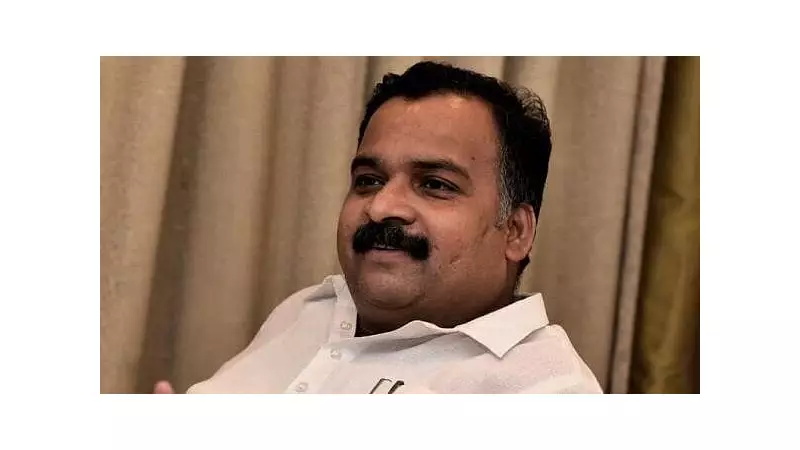
Congress Member of Parliament Manickam Tagore has ignited a political controversy in Tamil Nadu by publicly demanding a formal system of power-sharing within the state's ruling coalition. His comments have been met with swift and sharp criticism from senior leaders of the Dravida Munnetra Kazhagam (DMK) and its other allies.
The Demand for Coalition Equity
Tagore, who represents the Virudhunagar constituency in the Lok Sabha, articulated his stance by emphasizing the undeniable reality of coalition politics in Tamil Nadu. He stated that no single political party can realistically hope to secure an electoral victory in the state without being part of a larger alliance. This observation, while widely acknowledged in political circles, formed the basis for his subsequent call for a more structured sharing of responsibilities and authority among the partners of the DMK-led Secular Progressive Alliance.
The MP's remarks, made on January 5, 2026, suggest a growing sentiment within a section of the Congress party for a greater stake in the administration. While the Congress is a key partner in both the state government led by Chief Minister M.K. Stalin and the INDIA bloc at the national level, Tagore's statement explicitly pushes for a defined framework beyond mere seat-sharing during elections.

Allies Respond with Firm Rebuttal
The reaction from the DMK and other alliance partners was immediate and dismissive. Senior leaders responded sharply, underscoring the existing harmony and established protocols within the coalition. They pointed to the long-standing relationship and the collective efforts that led to the alliance's success.
The rebuttal focused on the premise that the coalition functions on mutual respect and consensus, implying that public demands for power-sharing were unnecessary and could disrupt unity. This public airing of differences highlights the underlying tensions that can surface in a multi-party coalition, especially as elections recede and the focus shifts to governance and resource distribution.
Implications for Tamil Nadu's Political Landscape
This episode brings to the forefront the ongoing challenges of managing a successful political alliance. While Tagore's comments reflect a desire for a more institutionalized role for the Congress, the strong response from allies serves as a reminder of the DMK's dominant position within the coalition structure.
The development is significant as it tests the cohesion of the opposition front at a crucial time. How the leadership of both the Congress and the DMK manages this internal discourse will be closely watched. It may lead to behind-the-scenes negotiations to address grievances while presenting a united public face ahead of future electoral battles.
Ultimately, Tagore's intervention underscores a classic tension in coalition politics: the balance between the aspirations of individual partners and the collective interest of the alliance. The firm response indicates that any discussion on power-sharing will likely remain within closed doors rather than playing out in the public domain.