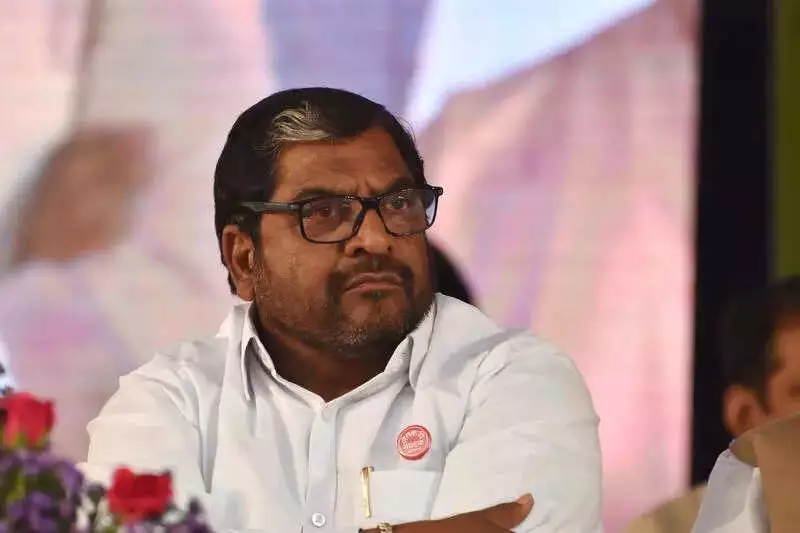
In a significant political development in Maharashtra, the Swabhimani Shetkari Sanghatana has suffered a major setback with the defection of its Sangli district president, Mahesh Kharade, to the Bharatiya Janata Party (BJP). This move deals a direct blow to the outfit's national president and prominent farmers' leader, Raju Shetti, who has relied on Kharade's support for two decades in the region.
Guardian Minister Plays Key Role in Induction
Sangli's guardian minister, Chandrakant Patil, played a pivotal role in orchestrating Kharade's induction into the BJP. This is particularly noteworthy given Kharade's history as a staunch critic of the BJP and its ideological stance. His shift marks a dramatic realignment in local political loyalties.
Kharade's Background and Influence
Mahesh Kharade, who began his career as a journalist, later became deeply involved in the farmers' movement. He is known for leading agitations focused on critical agricultural issues, including:

- Demanding fair prices for sugar cane
- Protesting against alleged excesses by traders in the grape and raisin trade sectors
Although he has not achieved electoral success himself, Kharade commands a substantial and loyal support base across Sangli district. His influence is especially strong in pockets of Tasgaon tehsil, an area where the BJP has faced challenges since former BJP MP Sanjaykaka Patil switched allegiance to the Nationalist Congress Party (NCP).
Impact on Raju Shetti and Regional Politics
For the past 20 years, Raju Shetti has built and sustained his farmers' movement in Sangli district largely through Kharade's grassroots support and organizational skills. Kharade's departure to the BJP not only weakens Shetti's organizational structure in a key district but also potentially shifts local voter allegiances. This development could alter the political calculus in Sangli, particularly in rural and agricultural constituencies where the Swabhimani Shetkari Sanghatana has traditionally held sway.
The induction of a former critic like Kharade is seen as a strategic gain for the BJP, allowing it to bolster its presence in a region where it has recently been on the defensive. It underscores the ongoing realignments and competitive dynamics within Maharashtra's complex political landscape, especially concerning agrarian and regional party movements.