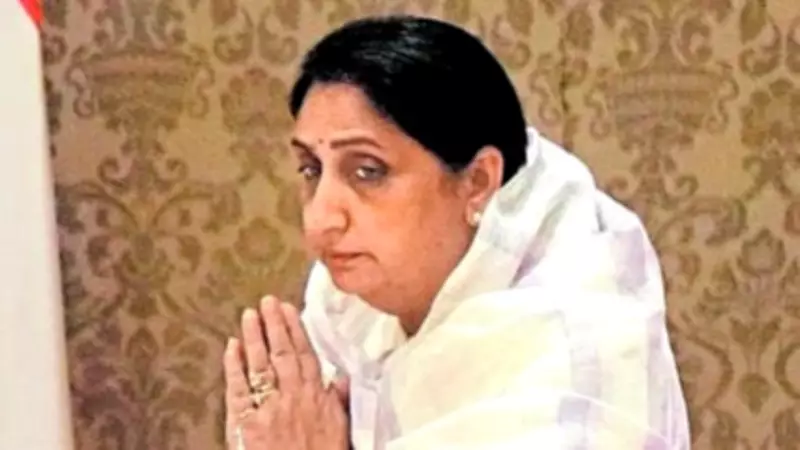
The Nationalist Congress Party (NCP) stands at a pivotal juncture as Sunetra Pawar's emergence onto the political stage coincides with the looming presence of veteran leader Sharad Pawar, sparking widespread speculation about the party's trajectory. This development unfolds against the backdrop of Ajit Pawar's formidable credentials, including eight terms as an MLA and six stints as deputy chief minister, amassing over three decades of ministerial expertise that continues to influence internal dynamics.
Sunetra Pawar's Political Ascent: A New Chapter for NCP
Sunetra Pawar, increasingly visible in public forums and party activities, represents a potential shift in the NCP's leadership landscape. Her growing involvement signals a possible generational transition, raising questions about how her role will evolve within the party's hierarchy. Observers note that her rise could introduce fresh perspectives, yet it also highlights the delicate balance between new and established forces within the organization.
Sharad Pawar's Enduring Influence: The Veteran's Shadow
Sharad Pawar, a stalwart of Indian politics, remains a dominant figure whose strategies and decisions continue to shape the NCP's direction. His extensive network and experience cast a long shadow over party affairs, ensuring that any leadership changes are carefully navigated. This enduring presence underscores the complexity of succession planning in a party deeply rooted in his legacy.

Ajit Pawar's Formidable Track Record: A Key Player
Ajit Pawar's political career, marked by eight successful MLA terms and six tenures as deputy chief minister, showcases a wealth of governance experience spanning more than thirty years. His ministerial roles have equipped him with deep insights into administrative and policy matters, making him a central figure in the NCP's operational framework. This background positions him as a critical anchor amid the evolving leadership scenario.
Internal Dynamics and Future Prospects
The interplay between Sunetra Pawar's ascent, Sharad Pawar's influence, and Ajit Pawar's experience creates a multifaceted dynamic within the NCP. Key considerations include:
- Leadership Transition: How will the party manage potential shifts in power without disrupting its core identity?
- Strategic Alliances: What role will these figures play in shaping the NCP's partnerships and electoral strategies?
- Public Perception: How are these developments viewed by voters and political analysts across Maharashtra?
As the NCP navigates this period of change, the contributions of all three Pawars will be crucial in determining its resilience and relevance in the competitive landscape of Maharashtra politics. The outcome could redefine the party's approach to governance, coalition-building, and grassroots engagement in the years ahead.