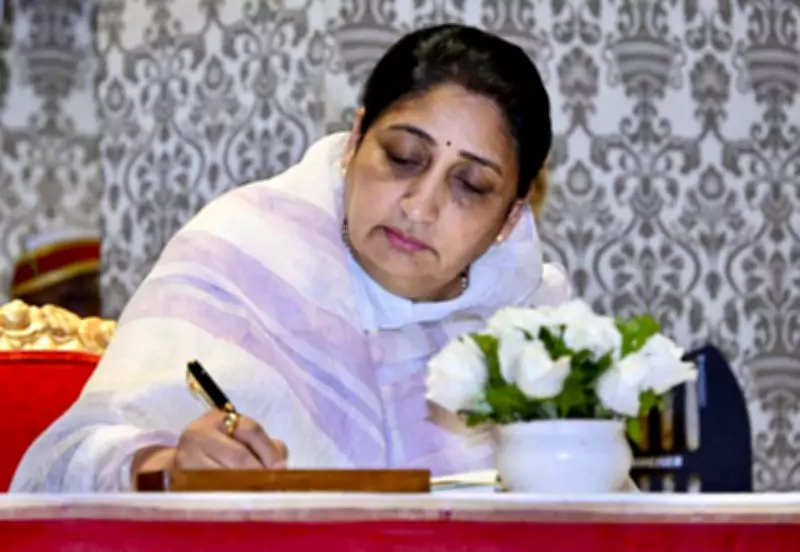
In a notable development within the Maharashtra state administration, Deputy Chief Minister Sunetra Pawar has been formally assigned the official cabin in the state secretariat that was formerly used by her husband, Ajit Pawar. This move underscores a strategic reshuffle in the state's political and bureaucratic landscape, reflecting the evolving dynamics of power and governance.
Administrative Reallocation in Maharashtra Secretariat
The allotment of the cabin to Sunetra Pawar comes as part of a broader administrative reorganization aimed at optimizing space and resources within the state secretariat. The cabin, which holds symbolic and functional significance, has been a focal point of political activity, given its previous occupancy by Ajit Pawar, a prominent figure in Maharashtra politics.
Implications for State Governance
This reallocation is expected to streamline operations and enhance coordination within the state government. By placing Sunetra Pawar in a key location, it may facilitate better communication and decision-making processes, potentially impacting policy implementation and public administration efficiency.

Background and Context: Sunetra Pawar, who recently assumed the role of Deputy Chief Minister, brings her own set of experiences and priorities to the position. The move into her husband's former cabin is seen as a step towards establishing her authority and presence in the state secretariat, aligning with her new responsibilities.
Public and Political Reactions
While official statements have highlighted the practical aspects of the cabin allotment, political observers note that this change could signal deeper shifts within the ruling coalition. It may influence internal party dynamics and public perception, as stakeholders assess the implications for future governance and electoral strategies.
Looking Ahead: As Sunetra Pawar settles into her new office, attention will be on how this administrative adjustment translates into tangible outcomes for Maharashtra's development agenda. The state secretariat, as the nerve center of governance, will likely see continued adaptations to meet evolving challenges and opportunities.