Tamil Nadu Chief Minister Inaugurates Major Water Reservoir Project
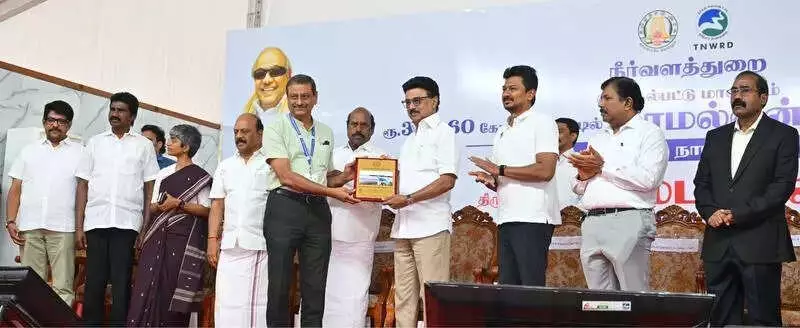
Chief Minister M K Stalin officially launched the Mamallan reservoir project on Monday. The ceremony took place at Nemmeli on the East Coast Road in Chengalpet district. This significant water resources department initiative carries a budget of ₹342.60 crore.
The primary goal of this project is to boost water supply to the rapidly expanding southern suburbs of Chennai. Stalin emphasized the reservoir's strategic location within the Kovalam basin. It will cover areas situated between Thiruporur and Thirukazhukundram along the ECR-OMR corridor.
Project Details and Expected Benefits
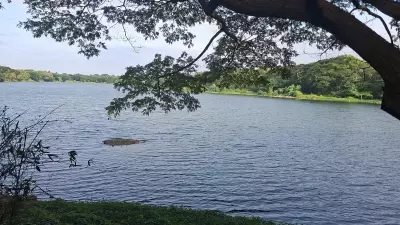
The Mamallan reservoir will serve a crucial function by capturing surplus water from Manamathi lake. Instead of allowing this valuable resource to drain into the sea, the reservoir will store it between Thiruvidanthai and Kokilamedu.

This large-scale project will spread across 5,100 acres. It is designed with a substantial capacity of 1.65 TMC and will feature a 34-kilometer-long bund. Once operational, the reservoir is projected to supply 170 million litres of water every single day.
Several key areas stand to gain from this development. The water will benefit residents in Sholinganallur, Medavakkam, Pallikaranai, Siruseri, Thiruporur, and Mamallapuram. In total, the project aims to serve approximately 13 lakh people.
The reservoir will also deliver important environmental advantages. It is expected to help prevent seawater intrusion into local water sources. Furthermore, a 15-kilometer stretch of the Buckingham canal will undergo restoration. This improvement will directly support local fishermen, whose fishing rights will be protected and ensured.
Addressing Criticism and Highlighting Past Achievements
During his address, Chief Minister Stalin directly responded to critics of his government's water management record. He stated that some individuals, fully aware of the facts, and others without proper knowledge, have spread false claims. These claims suggested the DMK government has not constructed any reservoirs.
Stalin firmly rebutted these charges by presenting historical data. He noted that between 1967 and 2011, under previous DMK administrations, Tamil Nadu saw the construction of 43 reservoirs. The Chief Minister even read out the names of all these reservoirs to underscore his point.
He went on to list several key accomplishments of his current government in the water sector. Stalin highlighted that water from the Mettur dam has been released on schedule for the past five consecutive years. His administration also initiated restoration projects in the Cauvery delta, providing significant benefits to the farming community.
The government has undertaken work on 121 check dams and 63 anaicuts. Additionally, they have desilted more than 40,000 lakes and cleared an impressive 1.3 lakh kilometers of drains. In February of last year, the state launched the Thamirabarani–Karumeniyar–Nambiyar interlinking canal project.
The Importance of Water Management and Historical Context
Stalin stressed the fundamental importance of effective water management. He stated that managing water resources is just as critical for a nation as managing its finances. The Chief Minister expressed confidence that the Mamallan reservoir project will be remembered in history as a key initiative that supported Chennai's growing regions.
He also drew a connection to the region's rich history. Stalin recalled that the Pallava rulers created 39 lakes in the Kancheepuram area during their reign to secure water supplies. They even established a dedicated system for maintaining these lakes and managing water bodies.
The Pallava ruler Narasimhavarman I, famously known as ‘Mamallan’, founded the historic town of Mamallapuram. Since the new reservoir is being constructed near this significant region, Stalin explained it is fitting to name it the Mamallan reservoir, honoring this historical legacy.