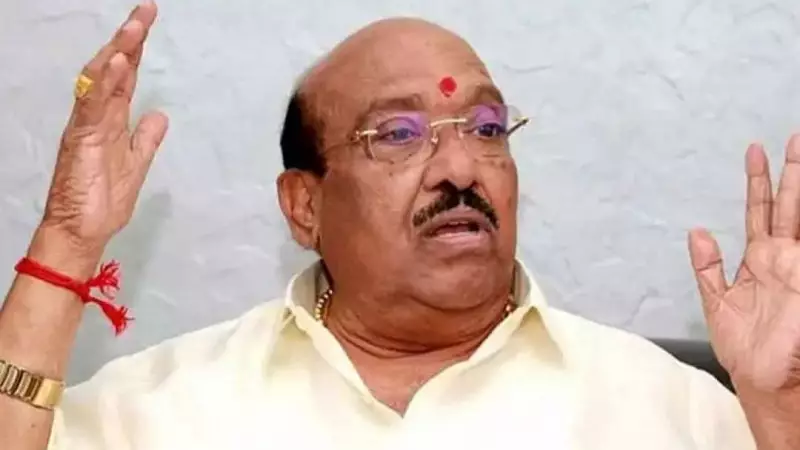
A press conference in Kerala took a controversial turn when SNDP Yogam general secretary Vellappally Natesan labeled a television journalist an 'extremist'. The incident occurred on Friday, 2 January 2026, after the reporter posed questions that were reportedly uncomfortable for the veteran leader.
The Confrontation at the Press Conference
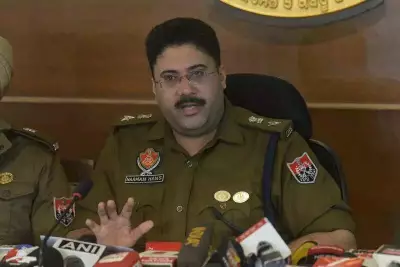
During the media interaction, a journalist from a television channel raised pointed queries that put Natesan on the defensive. Instead of addressing the substance of the questions, Natesan chose to attack the questioner's character. He directly referred to the journalist as an 'extremist', a remark that was captured on video and quickly began circulating on social media and news platforms.
The specific content of the questions has not been fully detailed in initial reports, but they were significant enough to provoke a strong personal retort from the SNDP leader. This exchange highlights the growing tensions between political figures and the media in Kerala's charged political landscape.
Immediate Backlash and Criticism
The comment drew swift and widespread condemnation from media bodies, opposition politicians, and civil society groups. Critics accused Natesan of attempting to intimidate the press and stifle legitimate inquiry by using a loaded term like 'extremist'.
Many viewed the remark as an unacceptable ad hominem attack designed to deflect from answering challenging questions. The incident raises serious concerns about the freedom of the press and the willingness of public figures to be held accountable. The Kerala Union of Working Journalists (KUWJ) and other press clubs are expected to issue formal statements condemning the leader's language.
Broader Implications for Kerala Politics
This event is not an isolated one but fits into a pattern where journalists face hostility for doing their job. For Vellappally Natesan, a prominent figure representing the Ezhava community through the SNDP, this controversy could have political repercussions. It may alienate sections of the public and the media who value democratic discourse and accountability.
The timing of the incident, at the very beginning of the year 2026, sets a concerning tone for political-media relations in the state. It underscores the need for clear boundaries and respect in public discourse, regardless of political differences.
As of now, there has been no official apology or clarification from Natesan regarding his statement. The journalist involved has also not made a public comment. The story continues to develop, with many awaiting a response from the SNDP leadership and potential action from journalist unions.