Sinnar Taluka Residents Intensify Campaign for Nashik-Pune Railway Alignment
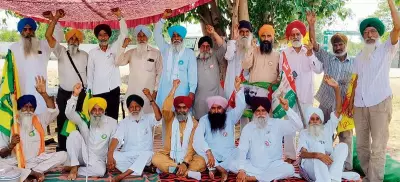
In a significant development, residents from multiple villages in Sinnar taluka of Nashik district are actively holding evening meetings to galvanize support for a proposed January 31 'rasta roko' protest. This agitation is planned to disrupt traffic on two crucial highways: the Nagpur-Mumbai Expressway and the Nashik-Pune highway.
Core Demand: Original Railway Alignment via Sangamner
The protestors, united under the banner of the Sinnar Taluka Railway Action Committee, are demanding that the government adhere to its original commitment. They insist that the Nashik-Pune semi-highspeed railway track must be constructed along the Sangamner route, as was assured by Railway Minister Ashwini Vaishnaw.
The committee has expressed strong opposition to any move that would cancel this original alignment. They are particularly against proposals to finalize an alternative, circuitous route via Pune-Ahilyanagar-Puntamba-Sainagar Shirdi-Nashik.

Widespread Support and Mobilization Efforts
The mobilization effort is not confined to Sinnar taluka alone. Evening meetings are being conducted across a broader region, including:
- Villages in Akole and Sangamner talukas of Ahilyanagar district
- Areas in Shirur taluka of Pune district
This cross-district coordination highlights the regional importance of the issue. The committee has garnered support from a diverse group, including industrialists and functionaries who have set aside political differences to join the cause.
Leadership and Expected Turnout
Haribhau Tambe, a leader of the Railway Action Committee, expressed confidence in the protest's scale. "Due to our ongoing awareness campaign in various villages, we are confident that more than 10,000 protesters will participate in the 'rasta roko' on January 31," Tambe stated.
Rationale Behind the Demand for the Sangamner Route
Baban Waje, an industrialist from Sinnar and a prominent voice in the movement, elaborated on the critical benefits of the proposed Sangamner alignment:
- Strategic Importance: The route is deemed extremely important and beneficial for multiple segments of society, including farmers, industrialists, traders, students studying in Pune, and professionals working in the IT sector.
- Efficiency and Time-Saving: "This is the shortest route passing through Sangamner. It will take less than 2 hours. If the route is taken via Shirdi... then we fail to understand what logic is being applied by the railway minister," Waje argued, questioning the rationale behind the alternative.
- Quality of Life Impact: Waje emphasized that if the earlier, direct route is finalized and executed, people from Nashik would not be compelled to relocate to Pune. Instead, they could conveniently commute from their homes in Sinnar, Sangamner, and Nashik.
Background of Failed Assurances and Decision to Agitate
The committee clarified that their decision to protest is not impulsive. "It is not that we are warning of the agitation all of a sudden," Waje explained. He recounted that during previous agitations in December, Chief Minister Devendra Fadnavis had assured them of a meeting after January 2. However, this assurance did not materialize.
"We, therefore, have decided to agitate if the government fails to take steps before the deadline," Waje declared, framing the January 31 action as a last resort due to unmet promises.
Recognition of Inconvenience and Firm Resolve
While acknowledging that the planned 'rasta roko' will cause significant inconvenience to travelers, the committee views it as the final option available within the democratic process. "We believe the agitation would cause inconvenience to travellers, but it is the last option available to residents, and we are firm on it," Waje stated, underscoring their determination.

Official Communication and Awaiting Government Response
The committee has formally presented its demands to Nashik District Collector Ayush Prasad. In response, the district administration has requested the committee to refrain from such disruptive acts. The situation now hinges on the government's next steps, with all eyes on whether it will address the residents' demands or face a major highway blockade on January 31.